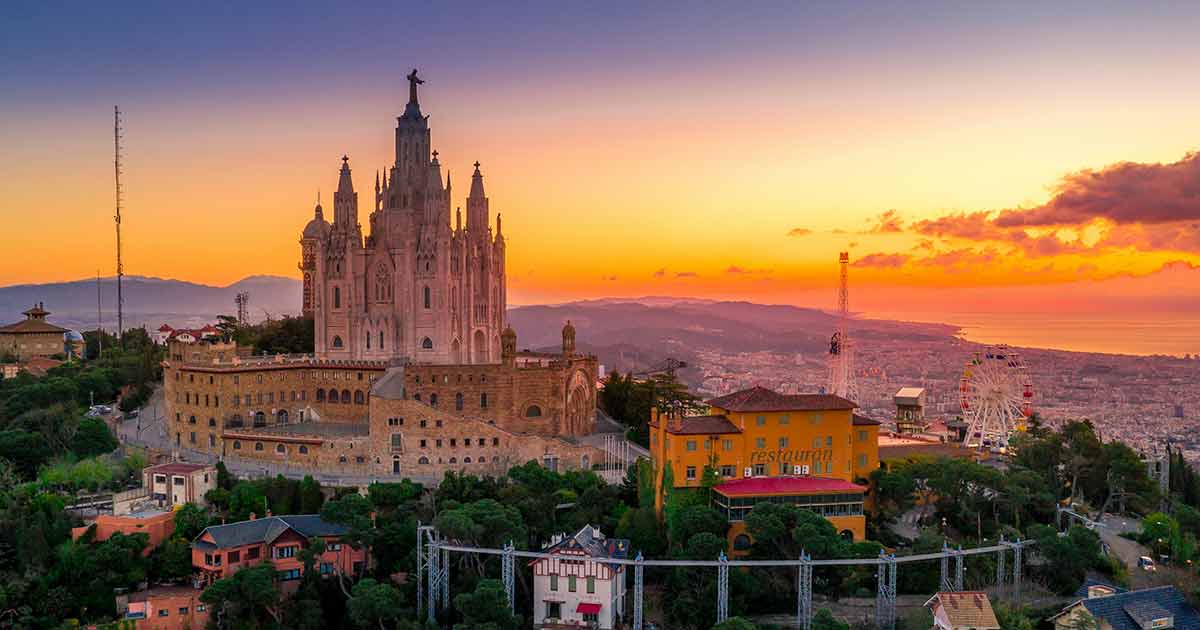
Picture yourself walking down the streets, man, and everywhere you turn there’s this incredible view that could be on a freaking postcard. Barcelona is something else, dude. The cityscape here is like nothing you’ve ever seen before – it’s all diverse and captivating as hell. You don’t just see the architectural heritage in Barcelona; nah, man, you feel it deep inside your bones. Trust me when I say that whether you’re a frequent flyer or just some curious cat wanting to explore new places, the amazing buildings in Barcelona will take you on one damn unforgettable journey through history and pure creativity at its finest. Check out this detailed Barcelona architecture travel guide:
Overview of Barcelona Architecture Heritage
I felt like walking through an open-air museum when I first set foot in this vibrant city, where centuries-old Gothic structures stand shoulder to shoulder with bold modernist designs. Barcelona’s architecture testifies to its rich history, where Roman ruins, medieval palaces, and avant-garde buildings coexist in harmony. The eclectic mix gives the city its unique charm and character.
The Influence of Antoni Gaudí on Barcelona’s Landscape
Now, let’s talk about the man who embodies Barcelona’s architectural identity: Antoni Gaudí. His works are a journey into his imaginative mind where nature, religion, and architecture merge to create something truly extraordinary. These masterpieces scatter across the city as poetic expressions in stone, glass, and iron rather than just buildings.
Gaudí’s unfinished symphony of faith, the Sagrada Familia, towers over the city with its spires reaching towards the heavens. As I visited this magnificent structure, I was struck by the intricate details and how light danced through its stained-glass windows, creating a divine glow that illuminated the interior in a kaleidoscope of colors.
Gaudí’s genius is evident in Park Güell, a surreal landscape that feels like stepping into a fairy tale. The serpentine benches, mosaic sculptures, and the iconic lizard fountain demonstrate Gaudí’s innovative use of shapes and materials. This place seamlessly blends art, nature, and architecture to provide unbeatable panoramic views of the city.
Gaudí’s ability to infuse his creations with wonder and whimsy creates a sense of discovery during each visit. His buildings, like the bone-like columns of Casa Batlló or the undulating facade of La Pedrera, celebrate creativity and imagination. The punctuation-enhanced version emphasizes Gaudí’s talent for making every visit a fascinating experience through his infusion of wonder and whimsy in his creations. Lastly, the style-adapted text highlights how Gaudí injects awe and playfulness into his work, turning each visit into an adventure that embraces creativity and allows imaginations to run wild.
The Foundations of Barcelona’s Architecture Marvels
If the streets of Barcelona could talk, they would tell tales: stories of Roman soldiers, medieval merchants, and modernist artists. But since they are unable to speak out; let me take you on a captivating journey – exploring the foundations of Barcelona’s architectural marvels.
From Roman Foundations to a Modernist Haven
Barcelona’s history stretches back to its days as Barcino, a Roman military outpost where Roman legions once marched. The Gothic Quarter still displays remnants of this era, with ancient Roman walls standing as silent witnesses to the city’s early days. When I explored the old city center, a deep connection to the past enveloped me as I walked through the same narrow streets that people had trodden upon for centuries.
Fast forward a few centuries, Barcelona blossoms into a medieval powerhouse, with its Gothic cathedrals and palaces adding a new layer to the city’s architectural narrative. The Barcelona Cathedral – with its stunning Gothic façade and serene cloister – was particularly awe-inspiring.
The Emergence of Catalan Modernism
Catalan Modernism is a movement that redefined the city’s skyline and brought it international fame. This was a period of artistic flourishing; architects like Antoni Gaudí, Lluís Domènech i Montaner, and Josep Puig i Cadafalch dared to dream in curves, colors, and textures.
Catalan Modernism, or Modernisme, celebrated Catalonia’s identity as more than just an architectural style. The buildings in the Eixample district, the heart of Barcelona’s modernist movement, served as canvases for expressing political, religious and social narratives. As I strolled through this area, I was mesmerized by the intricate facades adorned with colorful mosaics and wrought-iron balconies that characterized these buildings.
Barcelona’s Architectural Identity in the 21st Century
Today, Barcelona pushes the boundaries of architectural innovation. Its skyline testifies to its willingness to embrace the new while honoring its past. The city showcases contemporary marvels such as the Agbar Tower and the W Barcelona (Hotel Vela), blending cutting-edge design with technological advancements that demonstrate modern dynamism.
Barcelona offers a visual feast that’s bound to leave you spellbound, whether you’re an architecture aficionado or just someone who appreciates beauty.
Exploring Gaudi’s Architectural Masterpieces
From the surreal forms of Park Güell to the skeletal facade of Casa Batlló, Gaudí’s work is a testament to his genius, pushing the boundaries of imagination and engineering.
The Sagrada Familia: A Monumental Work in Progress
Historical Background
The story of the Sagrada Familia begins in the late 19th century, envisioned as a grand basilica by its patrons and brought to life by Gaudí’s unparalleled vision. It’s been under construction since 1882, and when I visited, the sheer scale of this ongoing project was nothing short of awe-inspiring.
Architectural Features & Symbolism
Gaudí’s masterpiece intertwines religious symbolism with natural motifs, creating a structure that feels alive. The intricate facades depict scenes from the Bible, while the columns inside mimic trees, branching out to support the vast ceiling. The use of light is particularly striking, with stained glass windows casting a divine spectrum across the interior.
Visiting Tips
If you’re planning a visit, book your tickets online to skip the long queues. Aim for an early morning or late afternoon tour to catch the best light for photography. And don’t rush—take your time to absorb the details; they’re everywhere.
Park Güell: A Public Park with Private Fantasies
The Concept Behind Its Creation
Originally intended as a private estate for wealthy families, Park Güell is now a public park that embodies Gaudí’s creative freedom. The idea was to integrate the natural landscape with architectural elements, creating a space where man and nature coexist harmoniously.
Key Architectural Elements
The park is a riot of colors and shapes, with the iconic mosaic lizard greeting visitors at the main staircase. The serpentine bench, covered in broken tile mosaics, offers panoramic views of the city and sea.
How to Make the Most of Your Visit
Go early to beat the crowds, and don’t miss the chance to explore the lesser-known corners of the park. The walking paths offer surprising discoveries at every turn, from sculpted archways to hidden grottos.
Casa Batlló: The House of Bones
The Story Behind Its Nickname
Affectionately known as the “House of Bones,” Casa Batlló’s facade resembles a skeletal structure, with balconies and pillars that mimic bones and skulls. This nickname captures the essence of Gaudí’s design, which often blurs the lines between the natural and architectural.
Gaudí’s Design Principles in Action
Gaudí’s use of color, light, and shape transforms the interior into a living, breathing entity. The central light well, designed to distribute sunlight, is a testament to his innovative approach to natural lighting.
Visitor Information
Booking your ticket online is a must and consider opting for the audio guide to get the full story behind each nook and cranny of this fascinating building.
La Pedrera (Casa Milà): Breaking the Mold
The Controversy and Innovation
At the time of its construction, La Pedrera was controversial for its bold, undulating facade and iron balconies. Today, it stands as a beacon of modernist architecture, celebrated for the very features that once drew criticism.
Architectural Highlights
The rooftop, with its chimney pots resembling medieval knights, offers one of the best architectural experiences in Barcelona. The attic, with its skeletal structure, showcases Gaudí’s genius in using parabolic arches.
Touring La Pedrera
The night tour offers a magical experience, with lighting that accentuates the building’s unique features. Don’t miss the exhibition space in the attic, which delves into Gaudí’s architectural principles.
Each of Gaudí’s works in Barcelona is a chapter in a larger story, one of innovation, inspiration, and imagination. As someone who has wandered through these architectural marvels, I can say that Gaudí’s Barcelona is not just a city to visit but a world to immerse yourself in, a testament to the enduring power of human creativity.
The Magic of Barcelona’s Gothic Quarter
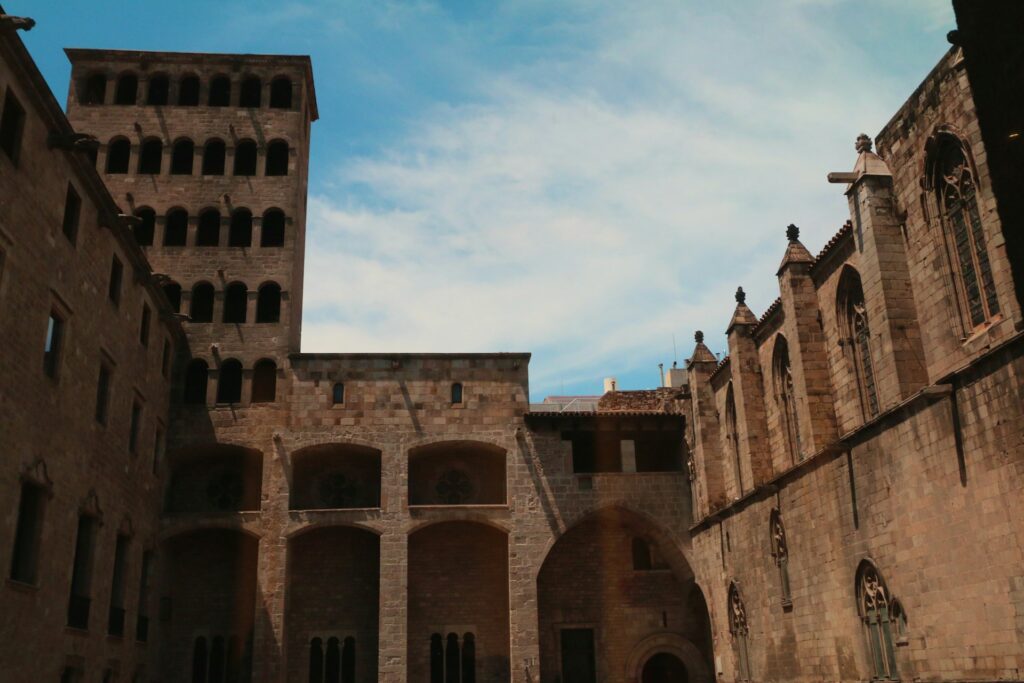
Let’s meander through the historical maze of Barcelona’s Gothic Quarter, uncovering its magic and mystery.
A Walk-Through History: Cathedrals, Plazas, and Narrow Streets
The Gothic Quarter, or Barri Gòtic, is the soul of Barcelona, its very heart beating with centuries-old stories. Walking through its narrow, winding streets, I couldn’t help but be enchanted by the sense of continuity, the feeling that these stones have witnessed the ebb and flow of life through ages. The Barcelona Cathedral stands as a towering testament to the grandeur of medieval architecture, its Gothic spires piercing the sky. Surrounding it, the labyrinthine alleys open up into quaint plazas, each with its own character and story.
Hidden Gems and Must-Visit Spots
Beyond the well-trodden paths, the Gothic Quarter hides treasures waiting to be discovered. Plaça de Sant Felip Neri, with its hauntingly beautiful church and tragic history, offers a moment of tranquility amidst the hustle and bustle. The ancient Roman walls, tucked away near the Plaça Nova, provide a tangible link to Barcelona’s distant past. And let’s not forget the lesser-known but equally captivating Basílica de Santa Maria del Pi, with its impressive rose window, a masterpiece of Gothic design.
Cultural Insights: Living the Gothic Quarter Experience
Living the Gothic Quarter experience means embracing its vibrant culture and rich history. It’s in the small, family-run shops selling artisanal crafts, the tapas bars where locals gather to share stories, and the street performers that animate its squares. I’ve always found that the best way to truly understand this place is to simply get lost, allowing the quarter to reveal itself piece by piece.
What struck me most during my explorations was the seamless blend of the old and the new. Here, centuries-old cathedrals coexist with contemporary art galleries and boutiques, each adding layers to the quarter’s eclectic charm.
The Eixample District: A Modernist Dream
If Barcelona’s heart beats in its Gothic Quarter, then its creative pulse surely throbs through the broad streets and grand boulevards of the Eixample. This is where the city stretches out, breathes, and showcases its flair for the dramatic and innovative in architecture.
The Grid That Changed Barcelona: Ildefons Cerdà’s Vision
Imagine a city planner with a vision so bold, it transformed the very fabric of Barcelona. Ildefons Cerdà was that visionary, designing the Eixample (which means “expansion” in Catalan) with a grid layout that was revolutionary for its time. The wide streets and octagonal blocks were designed not just for aesthetics but for functionality and quality of life. Sunlight, ventilation, and green spaces were integral to his plan, ideas that were groundbreaking in the urban planning of the 19th century.
Architectural Jewels of the Eixample District
The Eixample is home to some of the most stunning examples of Modernisme, Catalonia’s take on Art Nouveau. This district is where Gaudí’s masterpieces, such as the Sagrada Familia, Casa Batlló, and La Pedrera, draw eyes and cameras upwards towards their intricate and often surreal details. The facades here tell stories of innovation, with their curving lines, floral motifs, and a celebration of nature that is quintessentially Modernista.
Modernisme Beyond Gaudí: Domènech i Montaner and Puig i Cadafalch
Domènech i Montaner’s Palau de la Música Catalana, with its stunning stained glass and intricate mosaics, is a love letter to music and art, a venue that seems to sing even in silence. Puig i Cadafalch’s Casa Amatller blends Gothic and Flemish elements in a way that’s as delightful as it is unique, creating a visual dialogue with Gaudí’s Casa Batlló next door.
The Eixample District is a testament to a time when Barcelona dared to dream in colors, shapes, and textures that no one had dared to dream in before. It’s a place where each building is a piece of art, each street a gallery, and the entire district a museum of open-air Modernisme.
Contemporary Architecture: Breaking Boundaries
Barcelona doesn’t just rest on its historical laurels; it strides boldly into the future, with contemporary architecture that breaks boundaries and challenges perceptions.
The Agbar Tower: Barcelona’s Beacon of Modernity
Dominating the city’s skyline, the Agbar Tower (Torre Glòries) is a sight to behold. Designed by Jean Nouvel, its design was inspired by the mountains of Montserrat and the shape of a geyser shooting into the air. By day, its colorful facade reflects the Mediterranean sun, and by night, it becomes a dazzling light show.
The W Barcelona (Hotel Vela): Shaping the City’s Skyline
The W Barcelona, affectionately known as Hotel Vela (the Sail) due to its unique shape, is another emblem of modern Barcelona. Designed by Ricardo Bofill, its sleek form mirrors the city’s connection to the sea, offering stunning views of the Mediterranean and the city.
Barcelona’s Forum Area: A Model of Urban Regeneration
The Barcelona Forum District represents a pinnacle of urban regeneration, transforming an industrial area into a vibrant cultural and recreational space. The area is home to the Forum Building (Museu Blau) and the Barcelona International Convention Centre, both showcasing innovative design and sustainability. The Forum Building, with its striking blue facade and unconventional shape, is a hub for environmental education, while the Convention Centre serves as a modernist gateway to the city.
Museums and Cultural Centers: Architectural Treasures
The city’s museums and cultural centers are not just homes to artistic treasures; they are architectural masterpieces in their own right.
The Barcelona Pavilion by Mies van der Rohe
When you step into the Barcelona Pavilion, designed by Ludwig Mies van der Rohe for the 1929 International Exposition, you’re stepping into a space where minimalism and material richness coexist. Known for its famous dictum “less is more,” the Pavilion is an ode to simplicity, clarity, and perfect proportions. Its open plan and fluid spaces, combined with the use of luxurious materials like marble and onyx, create an environment that’s both serene and dynamic.
The reflecting pool, with the iconic sculpture “Alba” (Dawn) by Georg Kolbe, adds a layer of contemplative beauty to the site. Visiting the Pavilion, I was struck by how modern and timeless the design feels, a testament to Mies van der Rohe’s visionary genius.
The Picasso Museum: Blending Art with Architecture
Housed in five adjoining medieval palaces, the Picasso Museum itself is a beautiful blend of Gothic architecture with modern interventions. Walking through its rooms, you can’t help but feel a deep connection between the artist’s work and the historical context of Barcelona, the city that played such a pivotal role in his development. The courtyards and detailed stonework of the buildings provide a stunning backdrop to Picasso’s art, highlighting the dialogue between the old and the new.
The Joan Miró Foundation: A Modernist Space for Art
Perched on the slopes of Montjuïc, the Joan Miró Foundation is a celebration of light, space, and color. Designed by Josep Lluís Sert, a close friend of Miró, the building is a masterpiece of modernist architecture, designed to reflect the artist’s vision and work. The use of natural light, open spaces, and integration with the surrounding gardens creates a fluid environment that enhances the viewing of Miró’s bold, colorful works.
The building itself, with its terraces, courtyards, and skylights, encourages exploration and discovery, mirroring the playful and exploratory spirit of Miró’s art. The Foundation not only showcases Miró’s work but also serves as a vibrant cultural center, hosting exhibitions, workshops, and performances, embodying Miró’s belief in the power of art to transform society.
Public Spaces and Urban Projects
The transformation of Barcelona’s public spaces and urban projects underscores the city’s commitment to innovation, sustainability, and community. Let’s explore two emblematic examples of this transformative spirit:
The Transformation of Barcelona’s Waterfront
From an industrial port area to a vibrant leisure and cultural hub, Barcelona’s waterfront has undergone a remarkable metamorphosis. This transformation, particularly accelerated by the 1992 Olympics, turned neglected docks and warehouses into a lively promenade, beaches, and marinas that today form the heart of the city’s social life. The addition of the Port Vell marina, the W Barcelona hotel, and the revitalized Barceloneta beach are prime examples of how thoughtful urban redevelopment can breathe new life into a city’s neglected areas.
Poblenou’s 22@ District: Innovation and Urban Renewal
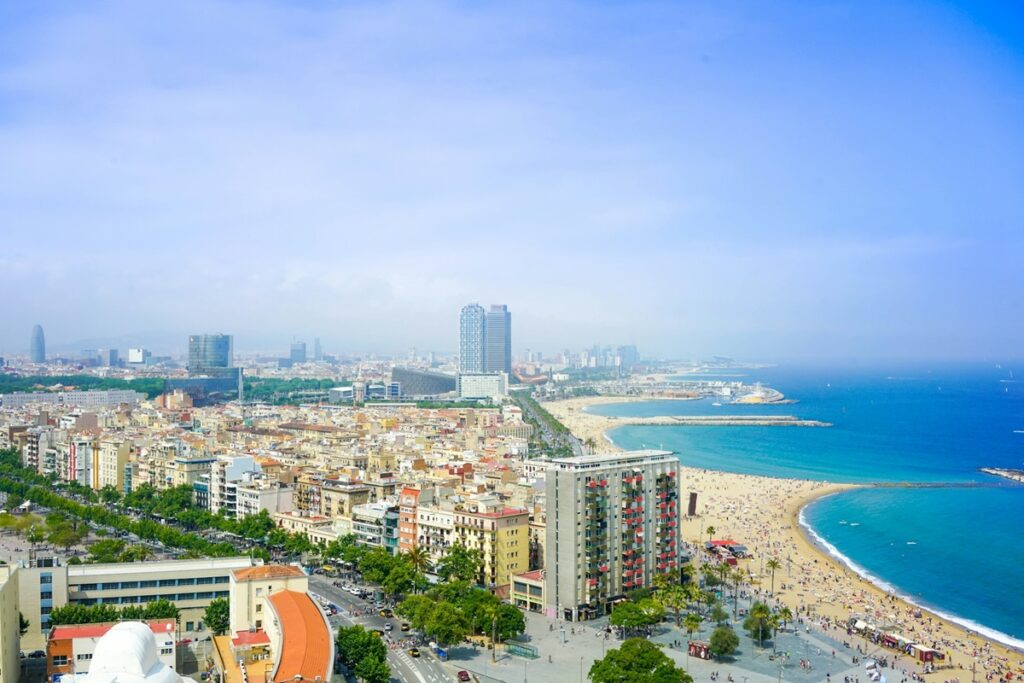
The 22@ District represents a bold leap into the future, transforming Poblenou’s industrial past into a thriving innovation district. Once the industrial heart of Barcelona, Poblenou fell into decline in the late 20th century. The city’s ambitious 22@ plan has turned it into a magnet for technology companies, startups, and creative industries, fostering a vibrant ecosystem of innovation and collaboration.
The district is not just about business; it’s about creating a balanced urban environment with green spaces, affordable housing, and cultural venues. The design of the 22@ District carefully integrates these elements, ensuring that the area remains a lively, inclusive community space. The transformation of Poblenou is a shining example of how cities can repurpose their industrial heritage for the digital age.
A New Vision for Barcelona’s Industrial Quarter
The metamorphosis of Barcelona’s waterfront and the creation of the 22@ District are more than just urban projects; they’re visions brought to life, reflections of a city that respects its past while boldly facing the future. These transformations highlight Barcelona’s ongoing dialogue between tradition and innovation, a conversation that’s played out in the city’s streets, squares, and buildings.
As a living lab for urban renewal, Barcelona demonstrates the potential of cities to adapt, evolve, and reimagine themselves in response to changing times and needs. The city’s public spaces and urban projects are not just about aesthetics or economics; they’re about creating a more livable, equitable, and vibrant urban environment for all its residents and visitors.
Where to Stay in the City?
Accommodations Near Architectural Landmarks
Staying in the Gothic Quarter vs. Eixample District
Luxury and Budget Options
How to Travel to Neighboring Cities from Barcelona
Let’s dive into how you can make the most of these excursions with some practical travel tips.
Efficient Transport Options: Train, Bus, and Car Rentals
Train: Spain’s extensive train network, operated by Renfe, is a convenient way to travel across the region. High-speed AVE trains can whisk you to distant cities in no time, while the local Rodalies and regional trains offer frequent services to closer destinations. Train travel is not only efficient but also lets you enjoy the scenic landscapes of Catalonia from the comfort of your seat.
Bus: For destinations not well-served by trains or for those looking to travel on a budget, buses are an excellent option. Companies like ALSA and Sagalés connect Barcelona to a myriad of locations, often providing a more economical alternative to train travel, albeit with longer travel times.
Car Rentals: Renting a car gives you the flexibility to explore at your own pace and venture off the beaten path. With a car, hidden gems that are inaccessible by public transport become reachable. The roads in and around Catalonia are generally well-maintained, and driving can be a pleasure in itself.
Day Trips Worth Taking: From Girona to Sitges
Girona: Just a short train ride away, Girona is a city of rich history, stunning medieval architecture, and a vibrant culinary scene. Its well-preserved Jewish Quarter, the imposing cathedral, and the picturesque houses along the Onyar River are just a few highlights that make Girona a must-visit.
Sitges: If you’re craving sun, sea, and sand, Sitges is your go-to destination. This seaside town is renowned for its beautiful beaches, bustling promenade, and an inclusive atmosphere. Just a 40-minute train ride from Barcelona, Sitges also boasts a charming old town and a vibrant nightlife.
Tips for Seamless Travel
- Plan Ahead: Especially during peak season, booking your train or bus tickets in advance can save you from last-minute hassles and often secures you a better deal.
- Stay Informed: Keep an eye on local travel updates, as schedules can change due to holidays or maintenance work. Apps like Renfe’s and local transport authorities can be invaluable resources.
- Travel Light: For day trips, pack light to make your journey more comfortable and to ease mobility across towns and attractions.
- Embrace Local Transportation: Once you reach your destination, don’t shy away from using local buses or even bicycles to explore. They can offer a more authentic experience and often lead to unexpected discoveries.
- Respect the Siesta: Remember that many smaller towns may still observe the traditional siesta time in the early afternoon, so plan your visits to shops or local businesses accordingly.
Nurturing the Future: Architecture Education and Events in Barcelona
Through its esteemed schools and vibrant annual events, Barcelona ensures that the legacy of its built environment continues to inspire and shape new generations of architects and enthusiasts alike.
Schools of Architecture: Shaping New Generations
Barcelona is home to several prestigious institutions where the architects of tomorrow are trained. The Barcelona School of Architecture (ETSAB), part of the Polytechnic University of Catalonia, is renowned worldwide for its rigorous curriculum that blends technical skill with creative vision.
Another notable institution is the School of Architecture at the International University of Catalonia (UIC), which emphasizes innovation, sustainability, and global perspectives in architecture. These institutions are pivotal in fostering a deep understanding of architectural principles while encouraging students to explore new ideas and technologies.
Annual Events and Tours: Engaging with the City’s Architectural Heritage
Barcelona’s architectural legacy is celebrated year-round with events and tours. One highlight is the annual Barcelona Architecture Week, which invites both locals and visitors to engage with the city’s heritage through exhibitions, lectures, and guided tours. This event fosters dialogue between architects, scholars, and the public while enhancing appreciation for Barcelona’s built environment.
Passeig de Gràcia is a renowned street in Barcelona known for its modernist buildings. Every year, it hosts an annual event called “The Shopping Night Barcelona,” where architecture, culture, and commerce come together to create a night of celebration and exploration. This unique event offers the opportunity to experience some of Barcelona’s most iconic buildings in a festive atmosphere. Don’t miss out on this epic night of fun!
Barcelona travel guide facilities offer architectural tours year-round for those keen on delving deeper. These tours provide insights into the city’s most famous landmarks as well as hidden gems, led by knowledgeable guides who give context and share stories behind the buildings. Participants get to see Barcelona through the eyes of its architects. For those interested in exploring more, these tours are available all year long and allow you to discover both iconic landmarks and secret treasures that make Barcelona unique. Led by experts in their field, they will fill you in on the history and stories behind these magnificent structures, giving you a unique perspective from an architect’s point of view.
The Open House Barcelona event, which is part of the global Open House initiative, opens the doors to some of the city’s most interesting buildings that are not usually accessible. This event showcases Barcelona’s commitment to architectural transparency and education by allowing people a chance to explore unique architecture that they wouldn’t normally have access to.Barcelona celebrates its architectural legacy with numerous events and tours throughout the year, including the annual Barcelona Architecture Week. This event brings together locals and visitors to engage with exhibitions, lectures, and guided tours that deepen their appreciation for the city’s built environment. It serves as a platform for dialogue between architects, scholars, and the public.
Passeig de Gràcia, known for its modernist buildings, hosts an annual event called “The Shopping Night Barcelona.” This festive celebration combines architecture, culture, and commerce in a unique experience. Attendees have the opportunity to explore some of Barcelona’s most iconic landmarks while enjoying a night of fun.
Barcelona offers year-round architectural tours for those passionate about exploring the city. These tours provide insights into both famous landmarks and hidden gems, led by knowledgeable guides who share context and stories behind the buildings. By delving deeper into Barcelona’s architecture, participants can experience the city through an architect’s perspective.
Additionally, the Open House Barcelona event opens the doors to some of the city’s most interesting buildings, many of which are not usually accessible to the public. This event is a part of the global Open House initiative and serves as a testament to Barcelona’s commitment to architectural transparency and education.
Conclusion
Barcelona captivates with its unique architectural experience. The city combines beauty and functionality, as every detail—from mosaic tiles to soaring spires—tells a story of ambition, creativity, and human spirit. Each era, from the Roman walls of Barcino to Gaudí’s modernist masterpieces and contemporary architectural wonders, contributes its unique voice to our city’s architectural choir. This diverse blend enriches both the urban landscape and ensures the city remains relevant and vibrant—a living museum with new discoveries around every corner.
From the Roman walls of Barcino to the modernist masterpieces of Gaudí, and onto the contemporary wonders shaping the skyline, each era contributes its unique voice to the city’s architectural choir. This diversity not only enriches the urban landscape but also ensures that the city remains relevant and vibrant, a living museum where every corner holds a new discovery.
