Planning your next European escape? If you’re dreaming of turquoise seas, medieval cities, and landscapes that look painted by nature itself, Croatia should be at the top of your list. From the waterfalls of Plitvice Lakes National Park to the historic streets of Dubrovnik, the country is a blend of culture, adventure, and pure beauty. In this guide to the best places to visit in Croatia, we’ll explore when to go, what to see, and how to make the most of your trip.
Why Visit Croatia?
Croatia sits on the Adriatic Sea, offering more than 1,000 islands and endless coastline. It’s a country where ancient towns meet crystal-clear waters, and nature reserves sit just a short drive from vibrant cities. Whether you’re a beach lover, hiker, or history fan, there’s something here for you.
Beyond its scenery, Croatia feels genuine. Locals are welcoming, food is fresh and simple, and travel feels relaxed yet exciting. It’s no surprise that tourism has grown steadily in the last decade — but even now, you can still find quiet corners to call your own.
When Is the Best Time to Visit Croatia?
The question many travelers ask is: when is the best time to visit Croatia? The answer depends on what you want to do. Croatia’s Mediterranean climate means long summers, mild springs, and colorful autumns.
- Spring (April–June): The perfect time for sightseeing and nature trips. Fewer crowds, pleasant weather, and blooming landscapes make it ideal for exploring national parks like Plitvice Lakes Croatia.
- Summer (July–August): Hot, busy, and lively. This is beach season, when coastal towns like Split, Hvar, and Dubrovnik come alive. Expect highs around 30°C and long sunny days.
- Autumn (September–October): Warm seas and quiet towns make this one of the best times of year to visit Croatia. Perfect for those who prefer relaxed travel and lower prices.
- Winter (November–March): Cool and peaceful. Coastal areas are calm, but inland you’ll find cozy towns and Christmas markets in Zagreb.
If you’re wondering about cost, is Croatia expensive to visit? Not compared to Western Europe. Summer prices rise, but food, buses, and local hotels remain affordable year-round. Budget travelers will find the shoulder months — May, June, and September — the sweet spot for value and comfort.
Top 10 Best Places to Visit in Croatia
Croatia may look small on a map, but its variety is incredible. Here are ten destinations that define its charm:
1. Dubrovnik
Known as the “Pearl of the Adriatic,” Dubrovnik is a UNESCO-listed city surrounded by massive stone walls. Walk the ancient ramparts, explore the Old Town, or take a cable car to Mount Srđ for panoramic views. It’s one of the best places to visit in Croatia for history lovers and Game of Thrones fans alike.
2. Split
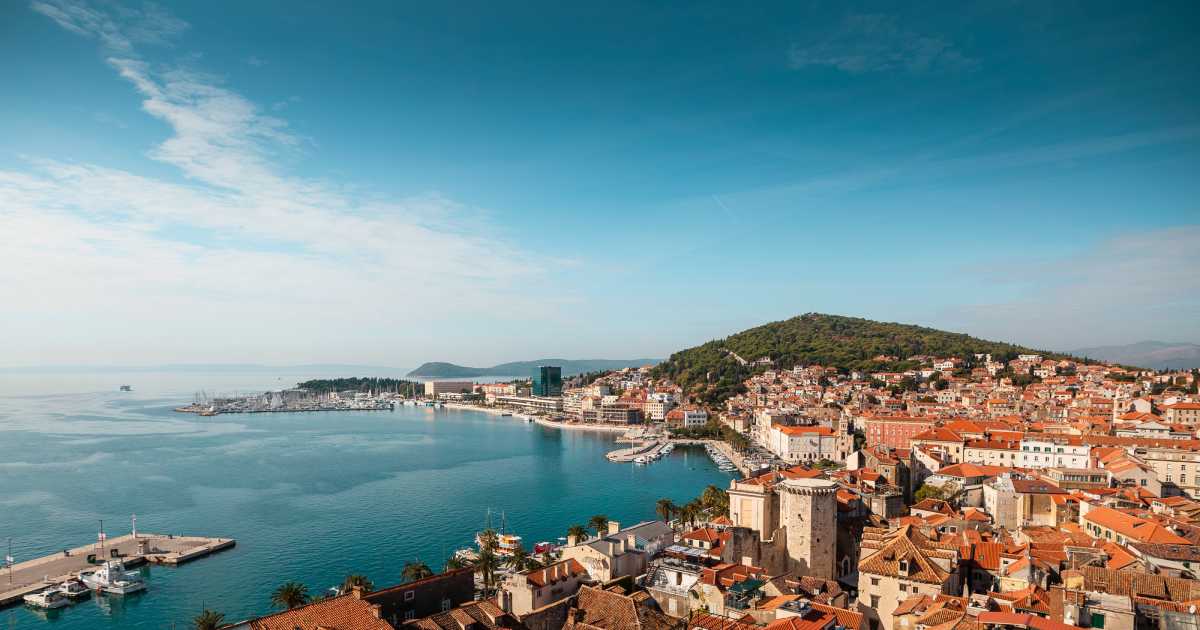
Split blends Roman history with a modern seaside spirit. The centerpiece is Diocletian’s Palace, a 4th-century complex now filled with cafés, apartments, and boutiques. From here, you can take a ferry to nearby islands like Hvar or Brač. If you’re traveling from Split to Plitvice Lakes, it’s about a four-hour scenic drive through lush countryside.
3. Zagreb
Croatia’s capital is often overlooked but deserves attention. Zagreb combines elegant Austro-Hungarian architecture with lively markets, museums, and street art. It’s also the easiest starting point for day trips to Plitvice Lakes National Park — just two hours away by car or bus.
4. Plitvice Lakes National Park
The heart of this article — and often the heart of Croatia’s natural beauty. Plitvice Lakes National Park Croatia is a wonderland of turquoise lakes linked by cascading waterfalls and wooden boardwalks. The park spans over 295 square kilometers and features 16 terraced lakes connected by streams.
Declared a UNESCO World Heritage site, it’s one of the most photographed spots in Europe. If you’ve seen pictures of Plitvice Lakes Croatia, you already know why — the water shifts from emerald to crystal blue depending on the light. No Croatia itinerary is complete without it.
5. Hvar
For sun-seekers, Hvar is the ultimate island escape. Known for lavender fields, wine, and nightlife, it’s a mix of relaxation and energy. The main town buzzes with yachts and bars, while the inland villages stay calm and traditional.
6. Zadar
One of Croatia’s most creative coastal cities. Zadar offers ancient Roman ruins, sea views, and modern art installations like the Sea Organ and Sun Salutation. It’s less crowded than Split or Dubrovnik but just as charming.
7. Rovinj
This colorful Istrian town looks like it belongs in Italy — and that’s no coincidence. Cobbled streets, pastel houses, and seafood restaurants make Rovinj a romantic stop for travelers who love photography and slow evenings by the sea.
8. Korčula
Nicknamed “Little Dubrovnik,” Korčula is a fortified island town famous for vineyards, olive groves, and quiet beaches. Many believe it’s the birthplace of Marco Polo. Explore its medieval walls and enjoy a glass of local white wine at sunset.
9. Krka National Park
Often compared to Plitvice, Krka is smaller but offers one big difference — swimming. The waterfalls are surrounded by wooden trails, and the water is warm enough for a dip in summer. It’s one of the most refreshing places to visit in Croatia after a hot day on the road.
10. Pula
Located in Istria, Pula is home to one of the world’s best-preserved Roman amphitheaters. It’s a living museum where concerts and festivals still take place inside ancient stone walls. Combine it with nearby beaches for a balanced city-and-sea experience.
Plitvice Lakes National Park: Everything You Need to Know
Let’s go deeper into Croatia’s top natural attraction. Plitvice Lakes National Park lies halfway between Zagreb and Zadar, making it an easy stop for travelers heading along the coast. It’s open year-round, and every season transforms its look — snow and ice in winter, greenery in spring, and vivid reflections in summer.
Things to do in Plitvice Lakes National Park include walking the boardwalks that snake between lakes, taking panoramic boat rides, or hiking longer trails like the 18-kilometer route that circles both upper and lower sections. The park is divided into eight hiking routes, each with different viewpoints.
Many visitors ask, can you swim in Plitvice Lakes? Sadly, no. Swimming is not allowed to protect the fragile ecosystem. However, nearby rivers and lakes outside the park boundaries offer safe and legal swimming options.
Tickets and Visiting Information
Before you go, check Plitvice Lakes National Park tickets online. Prices vary by season: summer costs around €40, while winter is closer to €10–15. Buying in advance is smart — visitor numbers are limited daily. Entrances 1 and 2 are the main gates, both close to hotels and restaurants.
When to Visit Plitvice Lakes
If you’re wondering when to visit Croatia for the best Plitvice experience, go in May, early June, or September. Plitvice Lakes summer is stunning but crowded. Autumn brings fiery colors, and winter turns the waterfalls into frozen sculptures — fewer people, more magic.
Getting there is easy. The drive from Zagreb to Plitvice Lakes takes about two hours, while Split to Plitvice Lakes is around four hours. Buses run daily, or you can join guided Croatia tours that include transportation and park entry.
Other Natural Treasures in Croatia
While Plitvice is the crown jewel, Croatia’s nature offers much more. Croatia Lake Plitvice may be the most famous, but other parks are equally captivating:
- Krka National Park: Known for swimming under waterfalls and shorter walking trails.
- Papuk Geopark: UNESCO-protected park with hiking, caves, and forests in the Slavonia region.
- Paklenica National Park: Near Zadar, ideal for rock climbing and canyon exploration.
- Mljet National Park: On a quiet island with saltwater lakes and scenic bike routes.
Each of these adds variety to your trip and can easily fit into a one- or two-week itinerary. If you love the outdoors, Croatia’s parks will leave you speechless.
Best Cities to Visit in Croatia
While nature gets much of the attention, the cities deserve just as much love. Here are the best cities to visit in Croatia for every traveler:
- Zagreb: A cultural hub with museums, galleries, and lively squares. Visit in December for Europe’s best Christmas market.
- Split: A living Roman palace that doubles as a seaside resort.
- Dubrovnik: A masterpiece of medieval architecture and cinematic views.
- Zadar: Perfect for combining history, beaches, and modern art.
- Pula: The perfect mix of history and coastal beauty.
Each city tells a different story, from old-world charm to modern creativity. Together, they form the cultural heart of where to visit in Croatia.
Where to Visit Croatia for Beaches and Islands
No guide to the best places to visit in Croatia would be complete without beaches. The coastline runs for 1,700 kilometers, with hundreds of islands scattered offshore. The most popular islands include:
- Hvar: Known for luxury resorts, lavender fields, and nightlife.
- Brač: Home to Zlatni Rat, Croatia’s most photographed beach.
- Vis: Quieter and more authentic, famous for the Blue Cave.
- Korčula: Ideal for wine lovers and calm beaches.
For mainland options, visit the Makarska Riviera or beaches near Rovinj. The Adriatic is warm and clear, making it ideal for swimming from June to September.
Cultural Highlights and Local Experiences
Croatian culture is a blend of Mediterranean and Central European influences. You’ll hear klapa music echoing through old towns, taste olive oil made by hand, and see Roman ruins beside Gothic cathedrals. Join a local festival, sample regional wines, or learn to cook Dalmatian seafood dishes.
Food is a big part of travel here. Try grilled fish, octopus salad, or pašticada (slow-cooked beef in wine sauce). Inland regions serve hearty meat stews and homemade bread. No matter where you go, meals are best enjoyed slowly — Croatians take their time with good food and good company.
Practical Croatia Travel Tips
- Currency: Croatia now uses the euro (€).
- Language: Croatian is the official language, but English is widely spoken.
- Transport: Buses are cheap and reliable; car rentals give you more freedom to explore.
- Accommodation: Ranges from family-run guesthouses to luxury seaside resorts.
- Flights: Major airports include Zagreb, Split, and Dubrovnik — with frequent flights to Croatia from all over Europe.
Planning ahead helps, but Croatia is also a country where spontaneous detours often become trip highlights. Whether you stay in a coastal villa or a mountain lodge near Plitvice Lakes National Park Croatia, the experience feels authentic.
Conclusion: Why Croatia Should Be Your Next Adventure
The best places to visit in Croatia show just how diverse this country is. From the turquoise waterfalls of Plitvice to the golden sunsets over Dubrovnik, every stop offers its own magic. The landscapes change quickly — mountains, islands, vineyards, and cities all within a few hours of each other.
Whether you visit in summer for the coast or in spring for the national parks, Croatia delivers something unforgettable. It’s scenic, welcoming, and easy to explore. If you love nature, history, or simply beautiful places that feel alive, Croatia will win your heart the moment you arrive.
