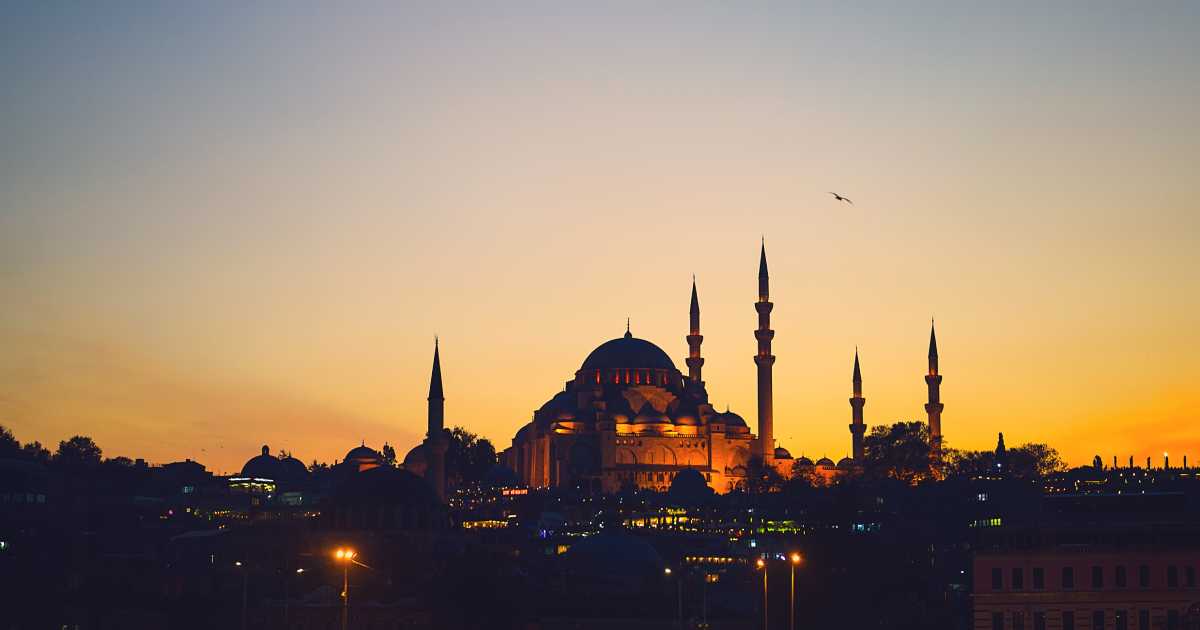
Istanbul is a city that wears its history proudly.
From the moment you step onto its Istanbul ancient you’re surrounded by Ottoman-era architectural wonder.
When I first visited Istanbul, I was completely captivated by the grand mosques and imperial palaces that dominate its skyline.
Let’s dive into the most breathtaking Ottoman architectural marvels that still stand tall in Istanbul.
The Magnificent Mosques of Istanbul
Ottomans are known and looked up to because of their architecture. The mosques they created were statements of power and faith. Following we break down some of the most beautiful and important mosques of istanbul.
1. Hagia Sophia: From Byzantine Cathedral to Imperial Mosque
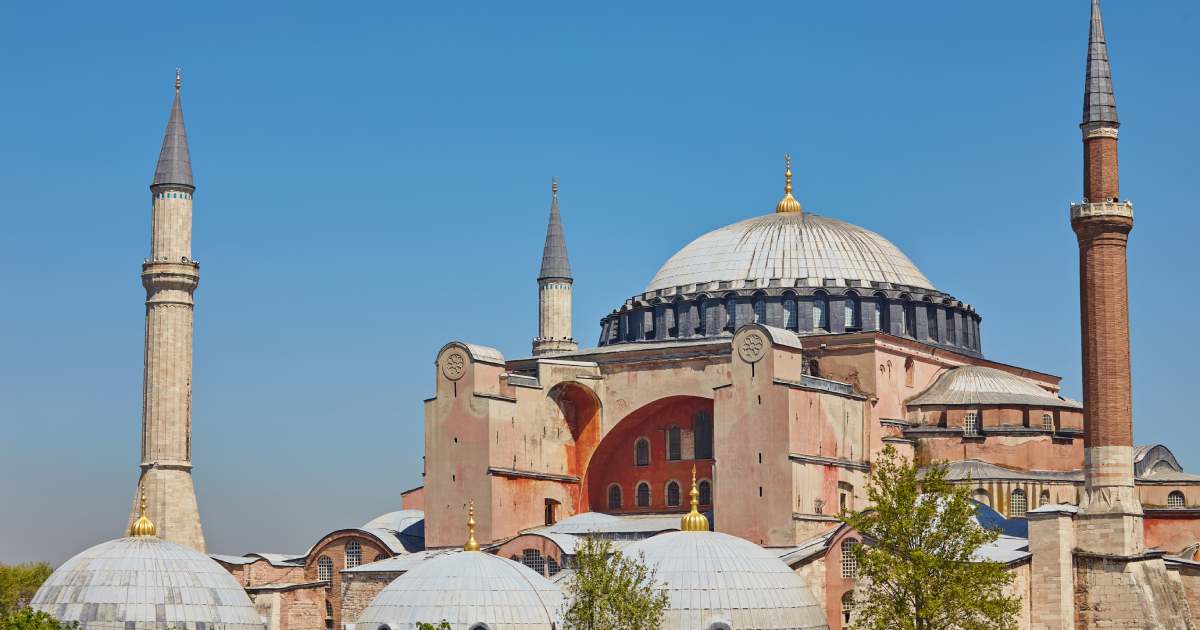
Hagia Sophia had a dramatic transformation over the years.
Originally it was built as a Byzantine cathedral and it was the largest church of the time. But everything changed when Sultan Mehmed II conquered Constantinople in 1453.
He saw the church’s potential and decided to convert it to an imperial Ottoman mosque. He then proceeded to minarets, a mihrab, and intricate calligraphy.
Nowadays, for visitors the entrance is allowed only on the first floor. The ground floor is strictly used for prayers. When you enter the mosque the high domes, golden mosaics, and massive chandeliers are captivating.
The most interesting part of course was the Byzantine influences still engraved on the walls. You will see Islamic inscriptions side by side with ancient Christian frescoes. It’s a true symbol of Istanbul’s layered history.
2. The Blue Mosque: A Masterpiece of Ottoman Architecture
Right across from Hagia Sophia, the Blue Mosque (Sultanahmet Mosque) stands quiet and proud! The mosque was built in the early 1600s by Sultan Ahmed I. The main reason was to surpass the beauty of Hagia Sophia.
The architecture inside is on another level. Over 20,000 blue Iznik tiles cover the interior, creating an ethereal glow when sunlight filters through the stained-glass windows. The six minarets were meant to signify the mosque’s grandeur.
The mosque is still an active place of worship so it is not open to the public the whole day. I confidently believe it is one of the best spots to experience Ottoman religious architecture in its full glory.
3. Süleymaniye Mosque: Sinan’s Architectural Triumph
Süleymaniye Mosque was built in the mid-1500s for Suleiman the Magnificent. The balance of domes, towering minarets, and interior details make it a work of art.
Süleymaniye stands out for its breathtaking view. Its location overlooks the Bosphorus and Golden Horn which offers the best panoramic sights in the city.
This mosque was the masterpiece of Mimar Sinan, the greatest architect of the Ottoman Empire. Sinan was a symbol of Ottoman strength and sophistication.
The Grand Palaces of the Sultans
If you think you have seen it all, then stand still cause we have more glory to explore! The Ottomans ruled from opulent palaces that reflected their immense wealth and power. Two of the most spectacular are Topkapi Palace and Dolmabahçe Palace.
1. Topkapi Palace: The Pulse of the Ottoman Empire
Topkapi palace was built in the late 1400s and served as the main residence for Ottoman Sultans for more than 400 years. Topkapi was the place where some of the most powerful decisions in history were made.
The Harem, where the sultan’s family and concubines lived, is filled with lavishly decorated chambers. Meanwhile, the Imperial Treasury showcases artifacts, including the Topkapi Dagger and the 86-carat Spoonmaker’s Diamond.
But again the best part was the terrace views over the Bosphorus. A continuous reminder of how the Ottomans strategically positioned themselves.
2. Dolmabahçe Palace: The Opulent 19th-Century Residence
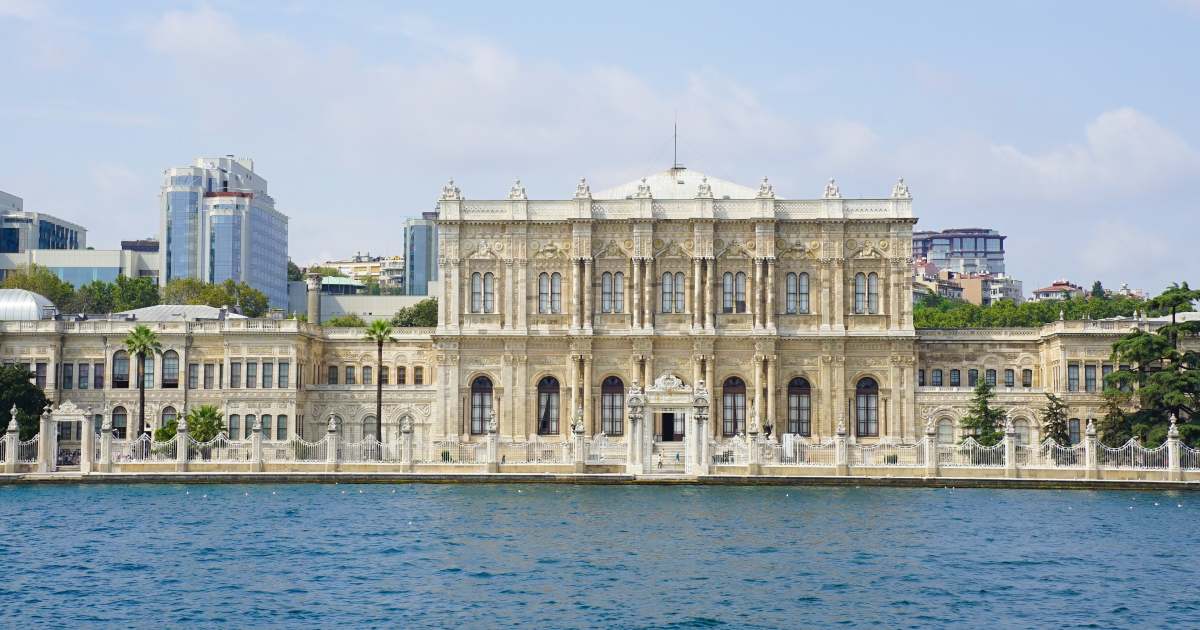
Dolmabahçe Palace is all about modern style. It was built in the mid-1800s by Sultan Abdülmecid I, mostly inspired by European Baroque, Rococo, and Neoclassical styles.
It is very different from the older Ottoman palaces and this is what makes it stand out.
If the word “palace” had a description, then show them Dolmabahçe! The crystal chandeliers, gold-gilded ceilings, and grand staircases scream luxury. The palace even has a massive Bohemian crystal chandelier, weighing nearly five tons.
Every room was so carefully created and has a different aesthetic which is truly inspiring.
The palace is located by the sea and the view is captivating. The garden is taken care of with a plethora of flowers. It is one of the most beautiful buildings and gardens I have ever seen.
But Dolmabahçe isn’t just about beauty. It also played a key role in modern Turkish history. Mustafa Kemal Atatürk, the founder of modern Turkey, spent his final days here, and his room remains preserved exactly as it was.
Culture of Ottoman Empire and Daily Life in Istanbul
Turkish history and habits are preserved to this day. A cup of strong Turkish coffee, or a centuries-old bathhouse are still a staple. Let’s dive into two essential elements of Ottoman daily life: the bazaars and the hammams.
The Bustling Bazaars: Where Trade and Tradition Meet
Historic bazaar’s were and still are to a certain point the economic backbone of the empire. Traders from Europe, Asia, and the Middle East gathered here, exchanging goods, stories, and cultures.
Even today, wandering through the Grand Bazaar and the Spice Bazaar is an adventure for the senses. Countless colors, scents and sounds. A chaos, but in the best way possible.
The Grand Bazaar: A Legacy of Trade and Commerce
The Grand Bazaar is one of the oldest and largest covered bazaars in the world, dating back to 1461 when Sultan Mehmed II built it to establish a center for trade.
Nowadays it has over 4,000 shops spread across 61 covered streets. You’ll find everything. From handwoven carpets, gold jewelry, and antique treasures to modern fashion.
The bazaar attracts thousands of people on a daily basis. When entering the bazaar, prepare for the best price negotiations of your life.
As a visitor, do not buy with the first price they offer. Bargaining is part of the culture, and honestly, it’s a lot of fun once you get the hang of it.
Before visiting I thought the bazaar was just a simple tent market. But I was wrong. Grand Bazaar still retains its Ottoman character. It has those arched ceilings and the ancient courtyards. Always remember to look up!
The Spice Bazaar: A Sensory Delight of Exotic Flavors
Another must visit place is the Spice Bazaar (Mısır Çarşısı) which is all about flavors and fragrances. The market was built in the 17th century and is still the go-to place for exotic spices coming from India, Persia, and the Arab world.
The air is thick with the aroma of saffron, cinnamon, dried fruits, and Turkish delight. The shops are so carefully decorated and have those beautiful color combinations that are impossible not to look at.
What I loved the most was that you could buy freshly ground spices just like they were sold centuries ago.
One thing I always recommend? Try çay and lokum from one of the small shops. You’ll get a taste of authentic Ottoman flavors and it is addictive!
The Hammams: Ottoman Bathing Culture
In the Ottoman era, hammams were community hubs where people gathered to relax, gossip, and even prepare for major life events (like weddings!).
Istanbul is full of historic hammams and it is a unique experience for visitors.
The History and Rituals of Turkish Baths
The Ottoman hammam culture has deep roots in Roman and Byzantine bathing traditions. But the Ottomans turned it into something of their own. These bathhouses were mainly spiritual cleansing rituals as well.
Here’s how it works:
- The Steam Room: You start in a warm marble chamber, letting the heat open up your pores and relax your muscles.
- The Scrubbing: A hammam attendant (called a “tellak”) will use a rough sponge called a kese to scrub away dead skin.
- The Foam Massage: After scrubbing, they lather you up in clouds of soap bubbles and give you a deep massage.
- The Cold Rinse: Just when you’re completely relaxed, they hit you with a cold-water splash to wake you up!
It might sound intense, but once you’re done, you’ll feel lighter and cleaner.
The Most Famous Historical Hammams in Istanbul
If you want to experience an authentic Ottoman hammam, here are my top picks:
- Çemberlitaş Hammam (Built in 1584)Designed by the legendary Mimar Sinan, this hammam near the Grand Bazaar has amazing domes and marble interiors.
- Cağaloğlu Hammam (Built in 1741): One of the most luxurious hammams, known for its grand baroque-style architecture. Even celebrities and royals have bathed here.
- Süleymaniye Hammam: If you want something historic but family-friendly, this hammam inside the Süleymaniye Mosque complex is a great choice.
Signature Ottoman Dishes in Istanbul
Istanbul has a very rich and flavorful cuisine for everyone. And there are many dishes that you should try since you can not find them anywhere else. There are a plethora of desserts and savory dishes available. What we recommend:
1. Testi Kebab (Clay Pot Kebab)
Testi Kebab is a slow-cooked meat dish (usually lamb or beef since pork is not used) with vegetables and spices, sealed inside a clay pot and cooked over an open fire. When served, the waiter breaks the pot open in front of you, releasing a mouthwatering aroma.
2. İmam Bayıldı (Stuffed Eggplant)
The name means “The Imam Fainted”, and the story goes that an Imam (Islamic leader) was so overwhelmed by the flavors of this dish that he fainted. It’s a slow-cooked eggplant stuffed with onions, garlic, and tomatoes, drenched in olive oil.
3. Dolma &a Sarma
Dolma are stuffed vegetables like bell peppers, tomatoes, zucchini, or eggplants that are hollowed out and filled with a savory mixture of rice, herbs, and sometimes ground meat.
The vegetarian version often includes pine nuts, raisins, and spices like cinnamon and allspice.
Sarma are stuffed grape leaves or cabbage leaves rolled tightly around a flavorful filling of rice, herbs, onions, and sometimes minced meat. These are typically simmered in a tangy, lemony broth and served cold or warm.
4. Lahmacun
Lahmacun, often called “Turkish pizza,” is a thin, crispy flatbread topped with a delicious blend of minced lamb or beef, tomatoes, onions, garlic, peppers, and a variety of herbs and spices like cumin, paprika, and sumac.
Lahmacun is typically served with fresh parsley, lemon wedges, and sometimes a side of ayran (a yogurt-based drink).
5. Pide
Pide is a boat-shaped Turkish flatbread with a slightly thicker crust than lahmacun. It is filled with a variety of toppings and baked in a wood-fired oven.
Some of the most popular toppings include: minced meat and onions, sucuk (spicy Turkish sausage), Egg and Spinach and cheese. Enjoy with a side of fresh salad or pickles.
6. Baklava & Lokum (Turkish Delight)
Baklava, with its flaky layers of pastry, honey, and pistachios, was once reserved for palace feasts. Now it is very commonly enjoyed with ice cream.
And then you have Lokum, a chewy, fragrant confection, which was considered a luxury snack during the empire.
Where to Stay in the City?
Choosing where to stay in Istanbul can be a bit overwhelming and confuse you. That is why we gathered the best areas for tourists.
Sultanahmet – The Heart of Ottoman History
Sultanahmet is known as the historical core of the city. In Sultanahmet you can find all the must visit sights. More specifically
- Hagia Sophia
- The Blue Mosque
- Topkapi Palace
- The Grand Bazaar
The area still has the atmosphere of the past with a welcoming feeling. It is extremely tourist-friendly, with lots of restaurants serving traditional Turkish food, and easy access to trams.
What to Consider:
It gets crowded, especially during peak tourist seasons
Nightlife is limited—most places close early, so if you’re looking for a lively evening scene, this might not be the best spot.
Beyoğlu – The Lively & Modern Side of Istanbul
If you want to be in a vibrant, modern area with tons of restaurants, cafes, and nightlife, Beyoğlu is the place to stay. This area includes the famous Istiklal Street, which is packed with:
- Shops, art galleries, and museums
- Rooftop bars and nightclubs
- Live music venues and theaters
Beyoğlu is also home to Galata, known for the Galata Tower. The tower offers one of the best spots to get a panoramic view of the city.
What to Consider:
It’s busy and noisy, especially on weekends
Traffic can be chaotic, but the metro and trams make it easy to get around
Karaköy – The Trendy, Hipster Side of Istanbul
Karaköy sits right on the Bosphorus, meaning you’ll have amazing views of the water and easy ferry access to the Asian side of the city.
Many Ottoman buildings now serve as boutique boutique shops, modern art galleries, and stylish restaurants.
What to Consider:
It’s a small district, so there aren’t as many hotel or accommodation options compared to other areas
Still somewhat touristy, though quieter than Sultanahmet and Beyoğlu
Kadıköy – The Best of Istanbul’s Asian Side
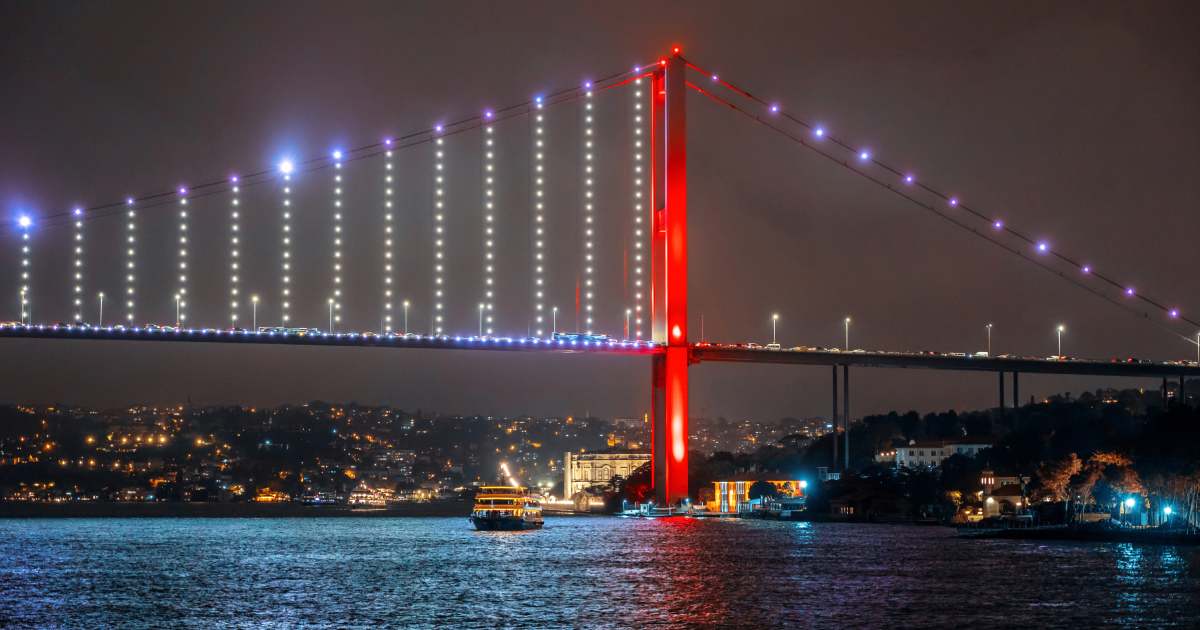
If you want to escape the crowds and see a more local, authentic side of Istanbul, Kadıköy on the Asian side is a fantastic choice. While most tourists stick to the European side, locals know that Kadıköy is one of the most vibrant and livable neighborhoods in the city.
What to Consider:
It’s on the Asian side, so you’ll need to take a ferry or metro to reach major attractions in Sultanahmet.
Not as many historical sites compared to the European side.
How to Travel to Neighboring Cities from Istanbul
The Ottoman Empire once controlled a vast network of roads, ports, and railways. So they have years of experience in good and fast transportation.This facts allows visitors and locals for one day trips to Bursa, Edirne, and Ankara.
So lets see what opportunities are available for visitors.
By Train: The Ottoman Railway Legacy and Modern Routes
High-Speed Train Routes from Istanbul
If you’re looking for a fast, scenic, and stress-free way to travel, the high-speed train network is your best bet. Here are the most popular routes:
2. Istanbul to Bursa (The First Capital of the Ottoman Empire)
Duration: Around 2.5 hours (train + ferry combo)
Why Visit? See the Green Mosque, Ottoman tombs, and enjoy the famous İskender Kebab.
3. Istanbul to Edirne (Ottoman’s Former European Capital)
Duration: Around 3 hours
Why Visit? Walk through the majestic Selimiye Mosque (Mimar Sinan’s masterpiece), and taste Edirne’s famous fried liver (ciğer tava).
How to Book Train Tickets?
Use TCDD (Turkish State Railways) official website or mobile app.
Trains leave from Halkalı or Söğütlüçeşme stations in Istanbul.
By Bus: A Cost-Effective and Comfortable Option
If you’re on a budget or prefer flexibility, buses are the most popular way to travel across Turkey. Turkey’s intercity buses are super comfortable, with wide seats, personal screens, and even onboard snacks.
Major Bus Routes from Istanbul
1. Istanbul to Bursa
Duartion: Around 2.5 hours
Why Choose the Bus? No transfers, multiple departures per hour.
3. Istanbul to Çanakkale (Gallipoli & Troy)
Duration: Around 5 hours
Why Choose the Bus? The best option for visiting the ancient city of Troy and the Gallipoli battlefields.
Where to Catch a Bus?
- Esenler Otogarı (Main bus station on the European side)
- Alibeyköy Otogarı (Closer to central Istanbul)
- Harem Otogarı (On the Asian side)
How to Book Bus Tickets?
Before you book the tickets you should first get informed on times of departures, arrivals and in which bus station to go since they have many available. So you can find tickets to the bus stations.
But there is also the obilet app available which allows you to book your tickets online very easy and safe.
By Ferry: Exploring Ottoman Ports and Coastal Cities
Istanbul’s strategic location on the Bosphorus made it a hub for maritime travel, and ferries continue to connect the city to Bursa, the Princes’ Islands, and Yalova. The ferrie’s route is unmatchable due to the amazing Bosphorus view.
Ferry Routes from Istanbul
2. Istanbul to the Princes’ Islands (Adalar)
Duration: 1-1.5 hours
Why Visit? No cars, beautiful Ottoman mansions, and seaside cafes.
Best Islands to Visit: Büyükada (largest island, with Ottoman-era villas) and Heybeliada (more peaceful, great for cycling).
Where to Catch a Ferry? From Eminönü, Kabataş, or Kadıköy piers.
3. Istanbul to Yalova (For Thermal Spas & Nature)
Duration: Around 1.5 hours
Why Visit? Famous for its Ottoman-era thermal baths and beautiful forests.
Best for: A relaxing getaway with natural hot springs.
No matter where you want to go, Istanbul’s transport options make it incredibly easy to explore neighboring cities. So, where are you heading first?
Why You Should Explore Istanbul’s Imperial Past
If you’ve made it this far, one thing is clear: Istanbul is not just a city to visit—it’s a city to experience. Whether you’re standing beneath the towering domes of Süleymaniye Mosque, wandering the halls of Topkapi Palace, or sipping Turkish coffee in a historic café, you’re stepping into centuries of Ottoman culture, tradition, and innovation.
At the end of the day, Istanbul isn’t just a city with history—it is history. And the best way to honor its Ottoman legacy? Explore it, appreciate it, and help preserve it for generations to come.
Because long after the empire itself has faded, its spirit still lives on in every street, dome, and waterway of Istanbul.
