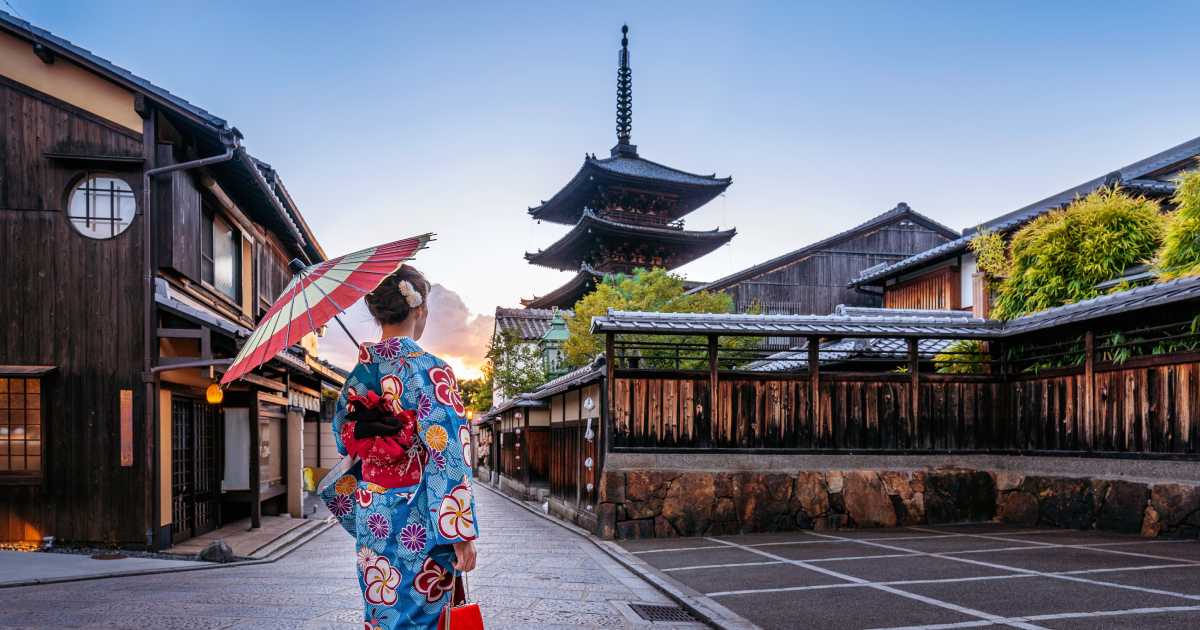
Looking for the best things to do in Kyoto? You’re in the right place. Kyoto is the kind of city that slows time down. Every street hides a shrine, every alley smells faintly of incense and grilled mochi, and every season paints the city in new colors. Once Japan’s imperial capital, Kyoto still feels like the heart of the country. From the Kyoto temples and bamboo forests to tea ceremonies and hidden gardens, this guide walks you through everything worth seeing, tasting, and experiencing.
Where Is Kyoto? A Quick Look at the Kyoto Map and City Vibe
Kyoto sits in central Japan on the island of Honshu, surrounded by low mountains and crossed by the Kamogawa River. Check a Kyoto map and you’ll see it just 30 minutes from Osaka and a few hours southwest of Tokyo. The Kyoto population is around 1.4 million, but it feels smaller — more like a cluster of peaceful districts than a big city. Every area has its own rhythm, from the polished streets of Gion to the quiet lanes of Arashiyama.
How to Get from Tokyo to Kyoto
The fastest and easiest way to travel is the Tokyo to Kyoto train, known as the Shinkansen. The ride takes about two hours and fifteen minutes, and watching Mount Fuji flash past your window never gets old. Wondering how far is Kyoto from Tokyo? Roughly 450 kilometers, or 280 miles — close enough for a weekend escape.
If you land in Tokyo and want to head straight to Kyoto, the JR Rail Pass covers the trip. There are also night buses for budget travelers, but most people choose the train for its comfort and reliability. Either way, arriving at Kyoto Station feels like stepping into a calmer world.
Kyoto Airport and Getting Around the City
Kyoto doesn’t have its own major airport, but two nearby options make travel easy. Kansai International Airport (KIX) is about 75 minutes away by train, while Itami Airport (ITM) is closer at roughly 50 minutes. From either, you can reach downtown Kyoto by train or limousine bus.
Once you’re in the city, public transport is simple: subways, buses, and plenty of taxis. For short hops, cycling is great fun. Many hotels rent bikes, and it’s one of the best ways to explore small streets and temple routes without rushing.
Top Things to Do in Kyoto Japan
So, what to do in Kyoto once you arrive? The city mixes ancient calm with modern energy. One day you might stroll through a centuries-old garden, and the next, you’re sipping matcha at a sleek café or stepping into the new Nintendo Museum Kyoto. The real beauty of Kyoto is in how tradition and pop culture sit side by side — like old friends sharing tea.
Kyoto Temples and Shrines You Can’t Miss
If you had to define Kyoto in one word, it would be “temples.” The city has over two thousand. You won’t see them all, but these are non-negotiable:
- Golden Temple Kyoto (Kinkaku-ji): A gold-leaf masterpiece floating above a mirror pond. Go early for the best reflection photos.
- Fushimi Inari Shrine: Famous for its tunnel of red torii gates stretching up the mountain. The further you climb, the fewer people you meet.
- Kiyomizu-dera Temple: Built on wooden stilts overlooking the city. Visit at sunset when the light hits the valley below.
- Ryoan-ji and Ginkaku-ji: Smaller, quieter spots with Zen rock gardens perfect for slowing down.
Each Kyoto temple tells its own story. Some echo with chanting monks; others offer pure silence. Together they form the spiritual spine of the city.
Kyoto Gardens and the Famous Bamboo Forest
Kyoto’s gardens are living paintings. Moss, stone, and water flow together like brushstrokes. Visit the gardens at Nanzen-ji or Shosei-en for a taste of Zen simplicity. Don’t miss the Kyoto Bamboo Forest in Arashiyama, where sunlight filters through green stalks that sway like ocean waves. Go early — before 8 a.m. — if you want the path to yourself.
Every season changes the scenery. Spring brings the Kyoto cherry blossom bloom, painting parks and canals pink. Autumn follows with maple leaves in deep red and gold. Even winter, dusted with snow, has a quiet beauty that’s hard to forget.
Culture and Experiences: Tea, Kimono, and Nintendo
One of the best things to do in Kyoto is to dive into its living culture. Try a tea ceremony Kyoto style — slow, graceful, and meditative. It’s not just about drinking tea but understanding patience and balance. Many tea houses around Gion and Uji (famous for matcha) welcome visitors for short lessons.
You can rent a kimono for a few hours, stroll through the old Gion streets, and feel like you’ve stepped into another century. For something completely different, check out the Nintendo Museum Kyoto in Uji, celebrating Japan’s gaming history. Kyoto proves that tradition and innovation can share the same stage.
Kyoto Food Guide: Best Restaurants and Local Dishes
Let’s talk food — because no trip to Japan is complete without it. Kyoto cuisine is elegant, balanced, and seasonal. Try kaiseki, a multi-course meal where presentation matters as much as flavor. Or visit a Kyoto restaurant in Nishiki Market for quick bites like grilled eel skewers, matcha sweets, and yuba (tofu skin).
Don’t miss obanzai, Kyoto’s home-style dishes, or tempura made from mountain vegetables. Many Kyoto restaurants are small, family-run, and tucked behind sliding doors. If you see a line, it’s usually worth the wait.
Where to Stay in Kyoto: Best Hotels and Neighborhoods
Choosing where to stay in Kyoto depends on what kind of trip you want. For classic scenery, stay in Gion or Higashiyama — both full of narrow streets, wooden houses, and geisha culture. If convenience is key, the Kyoto Station area offers easy transport and modern comfort.
Looking for peace? Head west to Arashiyama near the bamboo forest. You’ll wake up to birds instead of buses. Luxury seekers should check out the best hotels in Kyoto like The Ritz-Carlton or Suiran, or try a traditional ryokan for tatami rooms and onsen baths. There’s no shortage of good hotels in Kyoto, whether you want old-world charm or minimalist design.
Day Trips and Kyoto Tours
Kyoto’s location makes it perfect for exploring more of Japan. The Kyoto to Hiroshima Shinkansen takes less than two hours — ideal for a powerful day trip. Closer options include Nara’s giant Buddha, Uji’s tea fields, and Osaka’s food scene. Many travelers compare Osaka vs Kyoto — Osaka is lively and loud; Kyoto is graceful and calm. Together, they show two sides of modern Japan.
If you prefer structure, join one of the many Kyoto tours that bundle temples, gardens, and food tastings into a full day. Local guides add stories that no map can tell.
How Many Days in Kyoto Are Enough?
It depends on your pace. Two days cover the highlights, but three to five days let you relax and explore more temples, Kyoto gardens, and local neighborhoods. Spend your first day in the east (Gion, Kiyomizu-dera), the second in the west (Arashiyama), and your third discovering hidden corners like the Philosopher’s Path or Nishiki Market.
If you have extra time, slow down. Kyoto rewards curiosity — turn down small alleys, follow the sound of a bell, and you’ll find moments most tourists miss.
Kyoto Cherry Blossom and Seasonal Beauty
Ask anyone who’s been here: spring in Kyoto feels magical. The Kyoto cherry blossom season, usually from late March to early April, turns the city into a watercolor painting. Top spots include Maruyama Park, the Philosopher’s Path, and Kiyomizu-dera’s hillside view.
Autumn rivals spring with its fiery colors at temples like Eikan-do and Tofuku-ji. Even summer has its charm with night festivals and open-air dining by the Kamogawa River. No matter when you visit, the city always gives you a reason to come back.
Planning Tips Before You Visit Kyoto
Download a Kyoto map app like Google Maps or Japan Travel before you arrive. Get an ICOCA or Suica card to pay for buses and trains easily. When visiting temples, remove your shoes and speak softly — the peace is part of the experience.
Book hotels and Kyoto restaurants early if you’re coming during cherry blossom or autumn foliage season. English menus are common, and locals are friendly even if their English is modest. A smile and a polite bow go a long way.
Conclusion: Why Kyoto Is the Heart of Japan
Best Things to Do in Kyoto, Japan
Looking for the best things to do in Kyoto? You’re in the right place. Kyoto is the kind of city that slows time down. Every street hides a shrine, every alley smells faintly of incense and grilled mochi, and every season paints the city in new colors. Once Japan’s imperial capital, Kyoto still feels like the heart of the country. From the Kyoto temples and bamboo forests to tea ceremonies and hidden gardens, this guide walks you through everything worth seeing, tasting, and experiencing.
Where Is Kyoto? A Quick Look at the Kyoto Map and City Vibe
Kyoto sits in central Japan on the island of Honshu, surrounded by low mountains and crossed by the Kamogawa River. Check a Kyoto map and you’ll see it just 30 minutes from Osaka and a few hours southwest of Tokyo. The Kyoto population is around 1.4 million, but it feels smaller — more like a cluster of peaceful districts than a big city. Every area has its own rhythm, from the polished streets of Gion to the quiet lanes of Arashiyama.
How to Get from Tokyo to Kyoto
The fastest and easiest way to travel is the Tokyo to Kyoto train, known as the Shinkansen. The ride takes about two hours and fifteen minutes, and watching Mount Fuji flash past your window never gets old. Wondering how far is Kyoto from Tokyo? Roughly 450 kilometers, or 280 miles — close enough for a weekend escape.
If you land in Tokyo and want to head straight to Kyoto, the JR Rail Pass covers the trip. There are also night buses for budget travelers, but most people choose the train for its comfort and reliability. Either way, arriving at Kyoto Station feels like stepping into a calmer world.
Kyoto Airport and Getting Around the City
Kyoto doesn’t have its own major airport, but two nearby options make travel easy. Kansai International Airport (KIX) is about 75 minutes away by train, while Itami Airport (ITM) is closer at roughly 50 minutes. From either, you can reach downtown Kyoto by train or limousine bus.
Once you’re in the city, public transport is simple: subways, buses, and plenty of taxis. For short hops, cycling is great fun. Many hotels rent bikes, and it’s one of the best ways to explore small streets and temple routes without rushing.
Top Things to Do in Kyoto Japan
So, what to do in Kyoto once you arrive? The city mixes ancient calm with modern energy. One day you might stroll through a centuries-old garden, and the next, you’re sipping matcha at a sleek café or stepping into the new Nintendo Museum Kyoto. The real beauty of Kyoto is in how tradition and pop culture sit side by side — like old friends sharing tea.
Kyoto Temples and Shrines You Can’t Miss
If you had to define Kyoto in one word, it would be “temples.” The city has over two thousand. You won’t see them all, but these are non-negotiable:
- Golden Temple Kyoto (Kinkaku-ji): A gold-leaf masterpiece floating above a mirror pond. Go early for the best reflection photos.
- Fushimi Inari Shrine: Famous for its tunnel of red torii gates stretching up the mountain. The further you climb, the fewer people you meet.
- Kiyomizu-dera Temple: Built on wooden stilts overlooking the city. Visit at sunset when the light hits the valley below.
- Ryoan-ji and Ginkaku-ji: Smaller, quieter spots with Zen rock gardens perfect for slowing down.
Each Kyoto temple tells its own story. Some echo with chanting monks; others offer pure silence. Together they form the spiritual spine of the city.
Kyoto Gardens and the Famous Bamboo Forest
Kyoto’s gardens are living paintings. Moss, stone, and water flow together like brushstrokes. Visit the gardens at Nanzen-ji or Shosei-en for a taste of Zen simplicity. Don’t miss the Kyoto Bamboo Forest in Arashiyama, where sunlight filters through green stalks that sway like ocean waves. Go early — before 8 a.m. — if you want the path to yourself.
Every season changes the scenery. Spring brings the Kyoto cherry blossom bloom, painting parks and canals pink. Autumn follows with maple leaves in deep red and gold. Even winter, dusted with snow, has a quiet beauty that’s hard to forget.
Culture and Experiences: Tea, Kimono, and Nintendo
One of the best things to do in Kyoto is to dive into its living culture. Try a tea ceremony Kyoto style — slow, graceful, and meditative. It’s not just about drinking tea but understanding patience and balance. Many tea houses around Gion and Uji (famous for matcha) welcome visitors for short lessons.
You can rent a kimono for a few hours, stroll through the old Gion streets, and feel like you’ve stepped into another century. For something completely different, check out the Nintendo Museum Kyoto in Uji, celebrating Japan’s gaming history. Kyoto proves that tradition and innovation can share the same stage.
Kyoto Food Guide: Best Restaurants and Local Dishes
Let’s talk food — because no trip to Japan is complete without it. Kyoto cuisine is elegant, balanced, and seasonal. Try kaiseki, a multi-course meal where presentation matters as much as flavor. Or visit a Kyoto restaurant in Nishiki Market for quick bites like grilled eel skewers, matcha sweets, and yuba (tofu skin).
Don’t miss obanzai, Kyoto’s home-style dishes, or tempura made from mountain vegetables. Many Kyoto restaurants are small, family-run, and tucked behind sliding doors. If you see a line, it’s usually worth the wait.
Where to Stay in Kyoto: Best Hotels and Neighborhoods
Choosing where to stay in Kyoto depends on what kind of trip you want. For classic scenery, stay in Gion or Higashiyama — both full of narrow streets, wooden houses, and geisha culture. If convenience is key, the Kyoto Station area offers easy transport and modern comfort.
Looking for peace? Head west to Arashiyama near the bamboo forest. You’ll wake up to birds instead of buses. Luxury seekers should check out the best hotels in Kyoto like The Ritz-Carlton or Suiran, or try a traditional ryokan for tatami rooms and onsen baths. There’s no shortage of good hotels in Kyoto, whether you want old-world charm or minimalist design.
Day Trips and Kyoto Tours
Kyoto’s location makes it perfect for exploring more of Japan. The Kyoto to Hiroshima Shinkansen takes less than two hours — ideal for a powerful day trip. Closer options include Nara’s giant Buddha, Uji’s tea fields, and Osaka’s food scene. Many travelers compare Osaka vs Kyoto — Osaka is lively and loud; Kyoto is graceful and calm. Together, they show two sides of modern Japan.
If you prefer structure, join one of the many Kyoto tours that bundle temples, gardens, and food tastings into a full day. Local guides add stories that no map can tell.
How Many Days in Kyoto Are Enough?
It depends on your pace. Two days cover the highlights, but three to five days let you relax and explore more temples, Kyoto gardens, and local neighborhoods. Spend your first day in the east (Gion, Kiyomizu-dera), the second in the west (Arashiyama), and your third discovering hidden corners like the Philosopher’s Path or Nishiki Market.
If you have extra time, slow down. Kyoto rewards curiosity — turn down small alleys, follow the sound of a bell, and you’ll find moments most tourists miss.
Kyoto Cherry Blossom and Seasonal Beauty
Ask anyone who’s been here: spring in Kyoto feels magical. The Kyoto cherry blossom season, usually from late March to early April, turns the city into a watercolor painting. Top spots include Maruyama Park, the Philosopher’s Path, and Kiyomizu-dera’s hillside view.
Autumn rivals spring with its fiery colors at temples like Eikan-do and Tofuku-ji. Even summer has its charm with night festivals and open-air dining by the Kamogawa River. No matter when you visit, the city always gives you a reason to come back.
Planning Tips Before You Visit Kyoto
Download a Kyoto map app like Google Maps or Japan Travel before you arrive. Get an ICOCA or Suica card to pay for buses and trains easily. When visiting temples, remove your shoes and speak softly — the peace is part of the experience.
Book hotels and Kyoto restaurants early if you’re coming during cherry blossom or autumn foliage season. English menus are common, and locals are friendly even if their English is modest. A smile and a polite bow go a long way.
Conclusion: Why Kyoto Is the Heart of Japan
Kyoto is more than a destination; it’s a feeling. You might come for the best things to do in Kyoto — the temples, the food, the gardens — but you leave remembering the quiet moments. The sound of wind in bamboo. The smell of tatami mats. The sight of a lantern flickering at dusk. That’s the magic of Kyoto. It’s Japan’s past and present meeting in perfect harmony.
