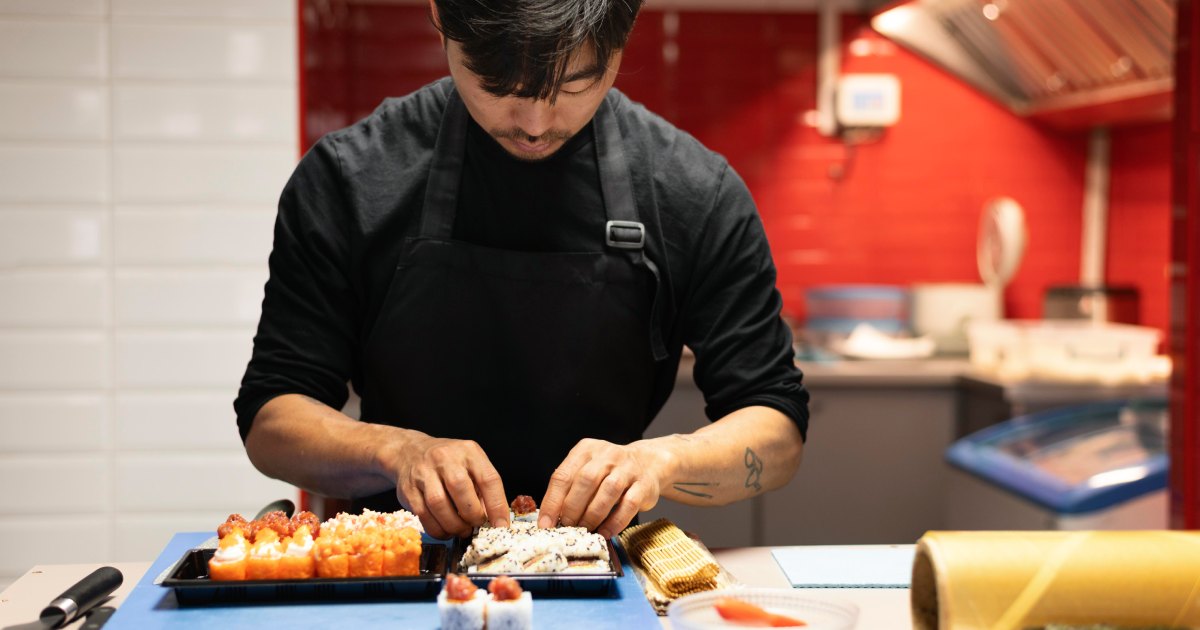
Kyoto may be Japan’s cultural heart, but it’s also a paradise for food lovers. Every meal here feels like a ritual — careful, seasonal, and deeply satisfying. From delicate sushi to melt-in-your-mouth wagyu steak, this Kyoto food tour takes you through the city’s tastiest spots, where tradition meets creativity and every bite tells a story.
Why Kyoto Is Japan’s Culinary Capital
Kyoto’s food scene reflects its soul. Once the seat of Japan’s emperors, the city learned to balance elegance with simplicity. Here, meals are art. Presentation matters as much as flavor, and even the smallest dishes showcase centuries of culinary craft. Whether you’re eating in a quiet ryokan or grabbing street food in Kyoto, you’ll notice one thing — everything tastes fresh and intentional.
So what is Kyoto famous for food-wise? Think refined tofu dishes, hand-rolled sushi, warm bowls of ramen, and juicy wagyu steak cooked right before your eyes. Add in a few sweets made with local matcha, and you’ve found heaven on a plate.
What Food Is Kyoto Known For?
Kyoto’s cuisine focuses on balance and purity. While Tokyo is fast-paced and modern, Kyoto stays rooted in its history. Locals prefer seasonal produce and minimal seasoning — letting natural flavors speak. Here are a few staples of Kyoto traditional food you’ll encounter:
- Kaiseki Ryori: A multi-course meal considered the height of Japanese fine dining.
- Yuba: Delicate tofu skin, often served with soy sauce and wasabi.
- Shojin Ryori: Vegetarian temple food inspired by Buddhist traditions.
- Yatsuhashi: Sweet rice dough flavored with cinnamon or filled with red bean paste.
- Kyozushi: Kyoto-style pressed sushi made with cured fish rather than raw.
If you’re wondering what food is Kyoto known for, the answer is variety — an elegant blend of land and sea, old and new, and flavors that change with each season.
Starting Your Kyoto Food Tour
A Kyoto food tour is about discovery. Local guides usually lead small groups through districts like Gion, Nishiki Market, and Pontocho Alley, stopping at traditional eateries and street stalls. You’ll sample small plates, learn local etiquette, and meet chefs who still prepare dishes the old way.
Not joining a tour? You can easily create your own by exploring Kyoto’s famous food market Kyoto scene, sushi bars, and steakhouses. All you need is an appetite and curiosity.
Sushi in Kyoto: Tradition Meets Precision
Kyoto might not be on the coast, but it has a rich sushi tradition of its own. Known as Kyozushi, local sushi often features marinated or pressed fish — a method developed centuries ago to preserve seafood before refrigeration.
The city’s sushi chefs are known for precision and calm. Every slice is deliberate, every roll balanced. Some of the best places to try sushi in Kyoto include:
- Azuma Sushi Kyoto: Famous for omakase dining — let the chef choose your meal based on the day’s freshest catch.
- Sushi Rakumi Kyoto: An intimate spot with only a few seats, requiring advance booking (Sushi Rakumi Kyoto reservation is essential).
- Nishiki Market stalls: Offer affordable sushi bites and rolls made right before you.
For a more casual experience, try Kyoto sushi and ramen combinations at local diners, where traditional sushi meets comforting noodle bowls.
Kyoto Sushi and Steak: The Perfect Duo
Kyoto’s food story doesn’t end with sushi. The city is also known for its wagyu — marbled Japanese beef that melts in your mouth. Locals love pairing sushi and steak for a full spectrum of flavor, from delicate seafood to sizzling meat.
Many restaurants now offer combined menus featuring both, known as Kyoto sushi and steak experiences. At a typical Kyoto sushi steakhouse, you’ll watch chefs slice tuna and grill beef right in front of you on a teppanyaki grill. It’s not just a meal — it’s a show.
Looking for something casual? Try a Kyoto hibachi food truck, where wagyu skewers and hibachi bowls are grilled streetside. Or enjoy a modern twist at a Kyoto sushi and hibachi restaurant, where east meets west on the same plate.
Ramen and Street Food in Kyoto
Kyoto’s ramen scene has grown fast. You’ll find hearty pork broths, spicy miso versions, and light soy-based soups — all made with regional ingredients. Many ramen shops stay open late, perfect after a night exploring Gion or Pontocho.
For authentic street food in Kyoto, follow the crowds to these hotspots:
- Pontocho Alley: Narrow and full of lantern-lit eateries offering skewers, gyoza, and sake.
- Nishiki Market: The heart of Kyoto’s street food culture — try grilled squid, mochi, or sushi rolls on a stick.
- Shijo Dori: Great for takoyaki (octopus balls), karaage (fried chicken), and quick ramen bowls.
- Kyoto Station food areas: perfect for travelers; you’ll find sushi, bento boxes, and noodle bars side by side.
Combining Kyoto sushi and ramen is easy here — many local shops serve both, letting you enjoy two classics in one stop.
The Food Market in Kyoto: Nishiki, the City’s Kitchen
No Kyoto food tour is complete without a visit to Nishiki Market. Often called “Kyoto’s kitchen,” this narrow street stretches for five blocks, packed with food stalls, shops, and tiny restaurants. It’s the best place to taste Kyoto’s daily life.
Must-try items at the food market in Kyoto include:
- Fresh sushi rolls and sashimi cups
- Pickled vegetables (tsukemono)
- Matcha sweets and ice cream
- Grilled mochi and yakitori skewers
- Local sake tastings
Nishiki Market is also a great spot for souvenirs — from handcrafted chopsticks to Kyoto-style condiments. Come hungry and leave inspired.
Kyoto Traditional Food: A Taste of Heritage
Beyond sushi and steak, Kyoto’s most treasured dishes celebrate simplicity. Kyoto traditional food reflects the city’s temple culture and reverence for nature. Try these specialties for a deeper understanding of the cuisine:
- Shojin Ryori: Vegetarian temple food prepared by monks — balanced, pure, and nourishing.
- Yudofu: Hot tofu cooked tableside, often served near Nanzen-ji Temple.
- Obanzai: Kyoto’s version of home cooking — small seasonal dishes shared family-style.
- Matcha desserts: From soft-serve ice cream to layered cakes, they highlight Kyoto’s love of green tea.
These experiences are best enjoyed slowly, often in traditional ryotei restaurants or teahouses surrounded by gardens. Kyoto meals are as much about the setting as the flavor.
Best Food in Kyoto: Must-Try Dishes
When it comes to the best food in Kyoto, the list could go on forever. But here are the standouts that define Kyoto dining:
- Kyo-wagyu steak: Local beef known for its tenderness and rich taste.
- Kyozushi: Pressed sushi made with vinegared fish and sweet rice.
- Yuba and tofu dishes: Light, creamy, and full of flavor.
- Matcha sweets: Found in cafes across Gion and Higashiyama.
- Ramen: Thick, flavorful broths made from pork, soy, or miso.
Travelers looking for halal food in Kyoto will also find more options today — from wagyu steakhouses with halal certification to sushi and ramen shops near Kyoto Station serving Muslim-friendly meals.
Kyoto Sushi Steakhouse and Fine Dining
Kyoto is home to world-class chefs who blend art and hospitality. A fine Kyoto sushi steakhouse experience combines two of Japan’s culinary treasures — sushi craftsmanship and wagyu excellence.
Many restaurants offer counter seating, letting you watch the chefs at work. The experience is personal, calm, and unforgettable. For upscale dining, book in advance at places like Sushi Rakumi Kyoto or elite teppanyaki venues. Making a Sushi Rakumi Kyoto reservation early is recommended, as spots fill quickly.
Expect tasting menus that move from sashimi to grilled wagyu, each course paired with sake or wine. It’s Kyoto’s elegance on a plate.
Casual Kyoto Food: Cafés, Izakayas, and Hidden Gems
While Kyoto excels at fine dining, its charm often hides in small izakayas and cafés tucked between alleys. For authentic local experiences, skip the tourist spots and wander the backstreets.
Near Kyoto Station food halls, you’ll find bento shops and bakeries perfect for travelers on the go. In Gion, small bars serve home-style dishes like karaage and tofu salad. And in Arashiyama, riverside cafés pair matcha desserts with peaceful mountain views.
The city’s mix of tradition and creativity means you’ll always find new flavors — from a pop-up serving Kyoto sushi and hibachi dishes to food trucks grilling wagyu late at night.
Cultural Dining Etiquette in Kyoto
Kyoto’s food isn’t just about taste — it’s about manners. A few tips will help you eat like a local:
- Say “Itadakimasu” before eating and “Gochisousama” after finishing.
- Don’t stick chopsticks upright in rice — it’s considered rude.
- Eat sushi in one bite to appreciate the balance.
- Respect quiet dining; Kyoto restaurants value calm over chatter.
- For dietary needs (like halal food in Kyoto), politely inform the staff before ordering.
Following these customs shows appreciation for Kyoto’s culture and ensures a warm welcome everywhere you go.
Kyoto Food for Every Traveler
One of Kyoto’s strengths is its versatility — there’s something for everyone. A Kyoto food tour can fit any traveler’s style:
- Families: Join sushi-making classes or ramen tastings where kids can get hands-on.
- Couples: Enjoy romantic kaiseki dinners or wagyu steakhouses overlooking rivers or gardens.
- Solo travelers: Explore Nishiki Market, sample bites along Kyoto food street, and dine at sushi counters where chefs chat with guests.
No matter how you travel, the warmth of Kyoto’s food scene stays with you. Every dish feels crafted with care — and you’ll remember the flavors long after you’ve left.
Conclusion: A Kyoto Food Tour to Remember
Kyoto’s food is more than nourishment — it’s a story of patience, pride, and perfection. Whether you’re tasting Kyoto sushi made by a master, savoring wagyu from a sizzling grill, or exploring the bustling food market in Kyoto, every bite feels meaningful.
From sushi to the most juicy steak, from quiet teahouses to late-night ramen bars, a Kyoto food tour lets you see Japan through its flavors. And that might be the most authentic way to experience this beautiful city.
