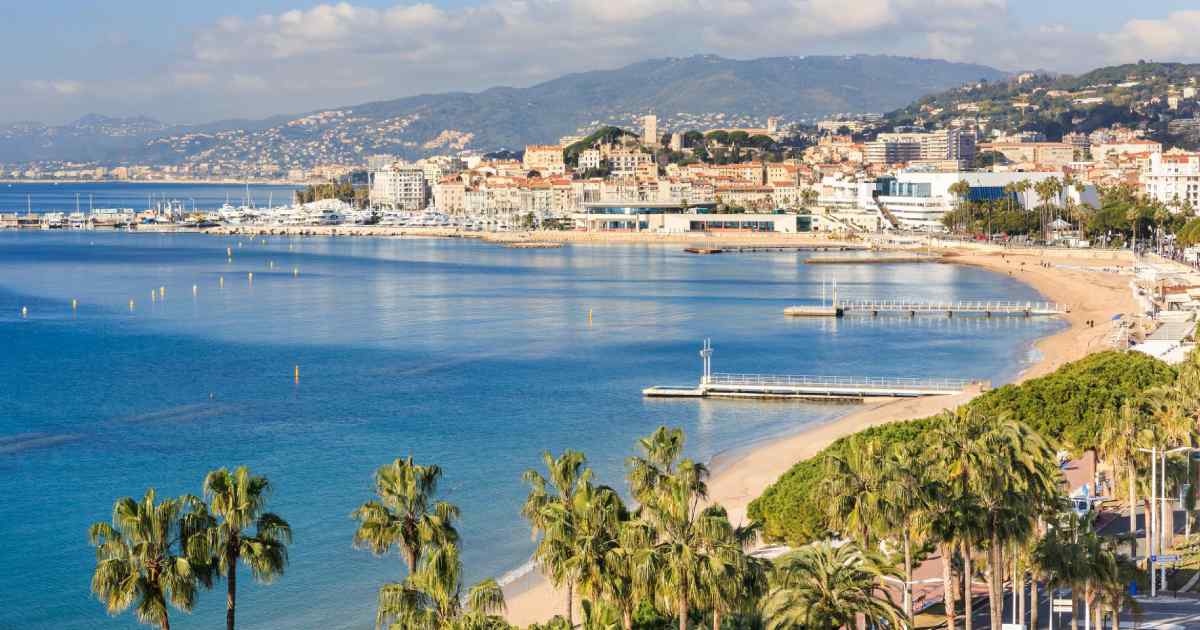
If somebody told me to describe Cannes i would probably use the following . A seaside town in the South of France where everyone watches cinema for 12 straight days.
But what exactly is this festival?
The Cannes Film Festival is one of the most prestigious and international film festivals out there. It’s like the Oscars but only about kind of indie films.
Why Cannes Is More Than Just a Red Carpet
Cannes is widely known for the red carpet and the people who attend each year. But it so much more than that.
Think of Cannes like an iceberg. Beneath that is a massive network of film markets and deals that fuels the global film industry.
This is where producers, directors, and distributors want their projects to be seen, sold and launched into cinemas or streaming platforms worldwide.
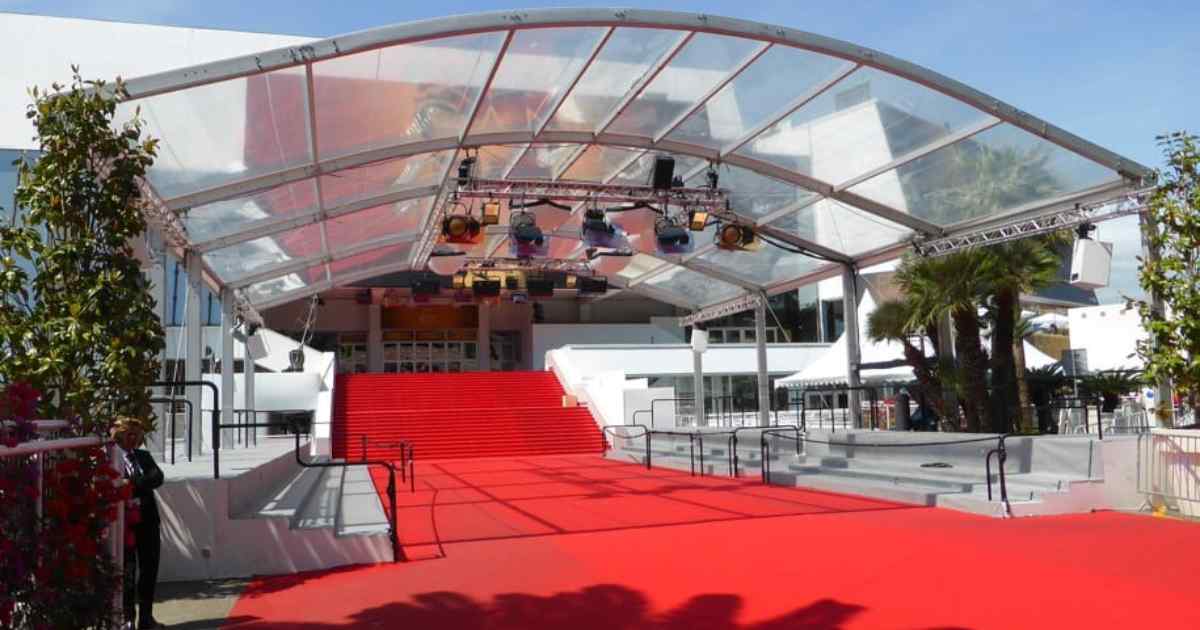
A Brief Look at the Festival’s Legacy
Cannes was created back in 1946. The main reason was the need of people to express their artistic expression especially after years of censorship and propaganda. And during the years it has evolved so much.
Because of Cannes, we were intriduced to legends like Quentin Tarantino, Sofia Coppola, Pedro Almodóvar, and more.
Cannes is all global and mutlicultural. You will be able to see Asian, African, South American, and Middle Eastern filmmakers use the festival as a springboard to international acclaim. That kind of diversity is what makes Cannes feel alive and unpredictable every single year.
History of the Cannes Film Festival
Origins: Post-War Cultural Rebirth
Let’s rewind the reel to the late 1930s. Europe was on edge, political tensions were boiling, and art was often used as propaganda. A group of French intellectuals and filmmakers decided—enough was enough.
They dreamed up a festival where cinema could thrive freely, away from political interference. That dream? The Cannes Film Festival.
It was originally supposed to launch in 1939, but WWII had other plans. So it wasn’t until 1946—right after the war—that Cannes truly made its debut.
I’ve always loved that origin story because it says something deep: Cannes wasn’t just created to showcase films. It was born to celebrate freedom of expression, creativity, and cultural exchange at a time when the world desperately needed it.
What I admire most about this era is how raw and revolutionary it felt. Filmmakers came from countries recovering from war, armed with reels and stories that reflected trauma, resilience, and hope.
Even now, when I watch old festival clips, I get goosebumps. There’s something magical about the way cinema brought people together back then—and still does.
Evolution of Prestige and Influence
Fast forward to the swinging ‘60s and bold ‘70s—Cannes started becoming a real heavyweight in the film world. What I liked about how the festival evolved was that it wasn’t just pandering to mainstream tastes.
Cannes has always had this edge. It’s where art-house meets Hollywood, where controversial films find a voice, and where new waves of cinema are born.
I’ve been following Cannes closely for over a decade now, and every year it amazes me how it continues to set trends rather than chase them.
Think about it—films that premiere at Cannes go on to define cinematic discourse for months, sometimes years. Directors get discovered here. A standing ovation at Cannes? It’s the film world’s equivalent of winning the lottery.
The Palme d’Or, introduced in 1955, turned into a holy grail almost overnight. Winning it can take an obscure filmmaker and launch them into global stardom. And that’s no exaggeration—I’ve seen it happen. Filmmakers I first heard of at Cannes now have Netflix deals, Oscar nominations, and sold-out retrospectives.
Key Milestones Over the Decades
Cannes has had its fair share of drama—and it wouldn’t be Cannes without it.
- 1968: The festival was famously shut down in solidarity with French student protests. Filmmakers literally climbed on stage to stop screenings. That rebellious spirit? Still alive and well.
- 1994: Quentin Tarantino won the Palme d’Or for Pulp Fiction. That moment put American indie cinema squarely on the map.
- 2002: Bowling for Columbine took home a special prize, opening the doors for documentaries to gain the same level of recognition as narrative films.
- 2021: Julia Ducournau became only the second woman ever to win the Palme d’Or, with Titane. It was raw, weird, and absolutely brilliant. Cannes being Cannes.
One thing I’ve learned from watching this festival for years is that Cannes doesn’t just keep up with the times—it often predicts them. Whether it’s bold fashion on the red carpet, rising voices from underrepresented regions, or films that tackle tough topics, Cannes leads, and others follow.

It’s more than just a glitzy event on the French Riviera. It’s a living, breathing reflection of cinema’s past, present, and future. And every year, without fail, it rewrites the rules.
The Inner Workings of the Festival
Ever wondered what really goes on behind the velvet ropes of the Cannes Film Festival? I mean, beyond the champagne, flashing cameras, and standing ovations. Trust me, there’s a whole machine at work underneath the glam—and it’s as intricate and dramatic as some of the films that get screened.
Who Organizes the Festival?
Let’s start with the engine behind it all: the Festival de Cannes is organized by the Festival’s Official Committee, which operates under the French Ministry of Culture and a non-profit group called the Association Française du Festival International du Film.
Yeah, that’s a mouthful, but in simple terms—this isn’t a Hollywood production. It’s run like an institution, with a serious eye for artistic integrity.
When I attended as an accredited journalist, I was surprised at how smoothly everything ran, considering the chaos of having global stars, indie filmmakers, media, and film buffs swarming one tiny coastal city. The coordination? Next-level. From film screenings to press conferences and even red carpet entry slots, everything’s timed to the minute.
The festival’s president, artistic director, and a dedicated selection committee are the ones who shape the year’s lineup. And they don’t play it safe—they’re known for picking bold, often risky cinema that pushes boundaries. If a movie makes it into the Official Selection, it’s a big deal.
How Films Are Selected
You might think it’s all politics or insider favors, but it’s not. I’ve spoken to a few indie filmmakers who’ve submitted their work to Cannes, and their stories line up: it’s brutally competitive but surprisingly fair.
Every year, thousands of films pour in from all over the world. The selection committee watches hundreds—yes, hundreds—of them to pick what will screen in categories like:
- In Competition (vying for the Palme d’Or)
- Un Certain Regard (which highlights daring or unconventional films)
- Short Films and Cinefondation (student filmmakers, often the most raw and exciting stuff)
- Out of Competition (big names, premieres, crowd-pleasers)
And let’s not forget the Marché du Film, where filmmakers shop their projects for funding or distribution. I’ve walked those halls—there’s real electricity in the air. You can feel it when someone’s film gets picked up.
What I like about the selection process is how democratic it tries to be. A small doc from Kenya can be screened on the same stage as a $30 million French drama. It’s not about budget—it’s about story, originality, and voice.
Inside the Jury Room: Decision-Making and Debates
Now, this part is pure legend. The jury—usually made up of world-class directors, actors, and writers—watches every single film in competition. They meet in secret, debate fiercely, and vote on who gets the awards.
It’s not uncommon for these debates to get, well… intense. We’re talking passionate disagreements, late-night arguments, and occasionally, last-minute vote flips. I heard from a friend who worked with a past juror that sometimes it comes down to one person’s relentless persuasion. That’s how personal and subjective it is.
Still, they take the job seriously. They know that awarding the Palme d’Or can completely change a director’s career. Films like Parasite and Blue is the Warmest Colour owe part of their international success to winning big at Cannes.
And here’s the kicker—no politics allowed. Jurors are banned from discussing films with the press during the festival. Everything stays in that jury room until the final awards night. It’s like a cinematic version of Fight Club: first rule is, you don’t talk about the jury room.
What Really Happens on the Red Carpet?
Let’s cut through the fluff. The Cannes red carpet isn’t just about gliding up those iconic steps to the sound of clicking shutters. It’s a ritual. A performance. A spectacle where celebrity culture, fashion, and cinema all collide in glorious, glittery chaos. If you’ve ever wondered whether all the fuss is just for show—well, yes… and no.
Celebrity Culture at Cannes
I remember the first time I saw Leonardo DiCaprio stroll past the barriers. Cameras went wild. Grown adults squealed. It felt like a rock concert meets movie premiere. At Cannes, celebs aren’t just actors—they’re demi-gods for two weeks.
Every major film premiere is accompanied by a red carpet procession. You’ve got A-listers, directors, producers, and sometimes random influencers all vying for their moment.
And it’s not just the big names. Cannes has a thing for emerging talent, so don’t be surprised if a total unknown walks the carpet and becomes a household name by the end of the week.
But don’t think it’s all vanity. Celebs show up for more than just photo ops. Many are here promoting films, sitting on juries, or locking in deals behind closed doors. That said—yes, there’s still a whole lot of posing.
Fashion Statements and Style Icons
The Cannes Film Festival red carpet is arguably more stylish than the Met Gala. Yeah, I said it.
This is where fashion houses like Dior, Chanel, Gucci, and Louis Vuitton unleash their boldest looks on the world’s most photographed stars. I’ve seen dresses with five-foot trains, couture tuxedos made of velvet, and earrings that probably needed insurance policies. It’s not subtle, and that’s the point.
What I like about the Cannes dress code is its old-school glamour. There’s something timeless about men in tuxes and women in flowing gowns under the Riviera sky. But lately, we’ve seen the rules bend. Women wearing flats instead of stilettos? It happened. Gender-fluid fashion on the carpet? Also happening. Cannes is catching up with the times, even if it likes to do so in sequins.
And let’s not forget about the fashion icons Cannes has birthed—think Bella Hadid’s daring cuts, Tilda Swinton’s futuristic flair, or Cate Blanchett just being Cate Blanchett. These red carpet moments don’t just trend; they define trends.
Media Coverage and Social Media Buzz
Here’s where it gets meta. While the red carpet unfolds in Cannes, the real frenzy happens online. I’ve live-tweeted from the press pit, and let me tell you, the internet eats this stuff up.
Major outlets like Variety, Deadline, and The Hollywood Reporter provide minute-by-minute coverage, while fashion mags break down each outfit before the wearer even makes it inside the theater.
Meanwhile, TikTok and Instagram explode with reels, memes, hot takes, and slow-motion videos of celebs flipping their hair in the Mediterranean breeze.
Even film announcements and screenings are dissected in real-time on social. The buzz can make or break a film’s festival run. I’ve seen a movie that got lukewarm applause in the theater trend globally just because of a bold red carpet moment.
What’s wild is that Cannes isn’t just for the elite anymore. With the rise of social media influencers and digital creators, more eyes than ever are watching—and commenting. It’s no longer a one-way broadcast; it’s an interactive global event.
Industry Impact: Deals, Distribution, and Debuts
To outsiders, the Cannes Film Festival might look like one giant red carpet affair. But behind the velvet ropes and fancy gowns? That’s where the real action happens. If you’re a filmmaker, Cannes isn’t just a photo op—it’s a battlefield. A marketplace. A golden ticket.
This is where films find funding, stars sign deals, and careers shift gears overnight.
Why Cannes Matters to Filmmakers
For directors, producers, and even first-time indie creators, Cannes is the Holy Grail. Why? Because the right screening here can open doors that were bolted shut before.
I’ve worked with indie teams who’ve poured every cent they had into a feature, only to get it picked up for Un Certain Regard or a Special Screening at Cannes. Instantly, everything changes. The buzz, the exposure, the credibility—it’s cinematic rocket fuel.
Cannes also carries serious artistic weight. Being selected means your film isn’t just good—it’s festival-level good. The kind that gets talked about in major industry circles, covered in Variety, and invited to other international film festivals. It’s like being accepted into the Ivy League of cinema.
How Distribution Deals Are Struck
Now, let’s talk money. Specifically, film distribution deals.
Cannes isn’t just a film festival—it’s also home to the Marché du Film, the largest and most influential film market in the world. This is where producers, agents, and distributors come to do business. I once sat at a café next to two execs casually negotiating a multi-million dollar rights deal over espresso and croissants.
Here’s how it usually works: a film premieres, gets a good reaction (maybe even a standing ovation), and suddenly, every streaming platform, indie distributor, and international buyer wants in. The buzz turns into bidding wars. And that’s where the magic (and money) happens.
What I liked about this process, especially when I was consulting on a European indie project, was how accessible it felt. You didn’t need to be from a major studio. If your film had heart, guts, and a bit of luck, someone was listening.
Streaming giants like Netflix, Amazon Prime, and Apple TV+ are now active buyers at Cannes too. So a premiere here might land you not just a theatrical release, but a global streaming launch.
Premieres That Changed Cinema History
Cannes has a reputation for being a launchpad for game-changing films. And I’m not just saying that.
Let’s look at some real examples:
- Pulp Fiction (1994): When Tarantino premiered this chaotic, stylish crime film, nobody knew what to expect. Then it won the Palme d’Or, and boom—American indie cinema got a whole new swagger.
- Parasite (2019): Bong Joon-ho’s masterpiece took home the top prize, and less than a year later, it became the first non-English film to win Best Picture at the Oscars. Cannes saw it first.
- La Vie d’Adèle (Blue is the Warmest Colour) (2013): A raw, intimate French drama that catapulted its young leads and put female-centered storytelling in the spotlight.
Even smaller films—student projects or niche documentaries—have walked out of Cannes with global distribution, festival invites, and industry momentum that would’ve taken years to build otherwise.
The common thread? Cannes is where careers ignite. If your film gets the right audience, the right review, and maybe the right hashtag, it can go from indie obscurity to international phenomenon in a matter of hours.
Local Life During Festival Season
If you’ve ever been to Cannes during the film festival, you’ll know it’s like the city drinks three espressos and throws on a sequin blazer. Everything changes. The calm, sun-soaked charm of this seaside town morphs into a buzzing hotspot for global cinema. But what about the people who actually live there?
Let’s pull back the curtain and take a look at what life’s like for locals when Hollywood (and everyone else) rolls into town.
How the Festival Transforms Cannes
During those 12 days in May, Cannes becomes unrecognizable. The normally quiet Croisette turns into a runway of flashing cameras, velvet ropes, and festival signage in every direction. You’ve got film screenings happening in theaters, hotels, pop-up pavilions, even on the beach. Traffic? Don’t even ask. Hotel rates? Triple.
I remember arriving one year two days before the festival officially kicked off. You could literally feel the energy ramping up—workers hanging banners, crews setting up stages, camera gear being hauled into the Palais. It’s like watching a small town get turned into a blockbuster set.
Local cafes extend their hours, beach clubs get booked solid, and even the boulangeries start offering “Festival Specials” (yes, Cannes can make a croissant feel cinematic).
Where Locals Go to Escape the Crowds
So where do the locals hide out when things get too hectic? Well, if you know where to look, you’ll find pockets of peace that tourists usually miss.
Many locals escape to Le Suquet, the Old Town of Cannes, where the narrow cobblestone streets offer a breather from the crowds. You’ll find them sipping espresso in tucked-away cafés, or browsing the Marché Forville—still one of the best fresh food markets on the Riviera.
Another go-to escape? Île Sainte-Marguerite. Just a quick boat ride away, this little island is like a nature retreat with pine forests and quiet coves. I took a trip there mid-festival once just to decompress, and it was like stepping into a parallel world—no paparazzi, no noise, just the sound of the sea and a few seagulls for company.
Even the backstreets behind the Croisette hide some cozy gems. Locals know which bakeries aren’t packed with influencers, and where to find a proper, quiet glass of rosé after a long day.
The Economic and Cultural Impact on the City
Now, make no mistake—the Cannes Film Festival isn’t just glitz for glitz’s sake. It’s an economic juggernaut. Hotels, restaurants, transportation services, and boutiques all report massive spikes in revenue during festival season. I spoke with a hotel manager who told me they make nearly 30% of their annual revenue during these two weeks alone.
And it’s not just about money. The festival puts Cannes on the global map every year. It brings in culture, diversity, and international influence that ripple through the city long after the red carpet is rolled up. Art galleries thrive. Local cinemas benefit from the buzz. Even high school students get inspired by the cinematic energy flowing through their streets.
Cannes invests a lot in this event, but the return? Massive. Both economically and culturally, the festival keeps the city relevant, vibrant, and forever intertwined with the magic of the movies.
Where to Stay in Cannes During the Festival?
Finding a place to stay during the Cannes Film Festival isn’t just about picking a hotel — it’s about strategy. Think of it like playing Tetris with your budget, expectations, and proximity to the Palais des Festivals.
Trust me, if you don’t plan ahead, you’ll either end up paying triple or crashing 30 minutes out of town with a view of… well, nothing.
I’ve been attending Cannes for years, and after trial, error, and one very questionable Airbnb, I’ve got the lowdown on how to book like a pro.
Luxury Hotels: Majestic Barrière, Martinez, and More
If you’re dreaming of sharing an elevator with Cate Blanchett or bumping into Leonardo DiCaprio at breakfast, you’ll want to book one of the luxury hotels in Cannes — and yes, they’re exactly as fancy as they sound.
- Hotel Barrière Le Majestic: This one’s front-row to the red carpet, directly across from the Palais. I stayed here once (on someone else’s dime), and it felt like living in a movie. White-glove service, ocean views, and a lobby full of producers shouting into phones.
- Hotel Martinez (part of The Unbound Collection by Hyatt): This is the power crowd’s favorite. Rooftop parties, press junkets, and designer luggage everywhere. What I liked about the Martinez was how it manages to feel both luxe and laid-back—plus, their private beach setup is unbeatable.
- JW Marriott Cannes: Slightly more understated, but still upscale with fantastic rooftop views of the city.
These hotels are prime spots for networking, people-watching, and soaking in the festival atmosphere — but don’t expect bargains. Prices easily soar into four-figure territory per night during the festival window. Book early or forget it.
Tips for Booking Accommodation Early
Want the best advice I can give you? Book early. Like, ridiculously early.
Start looking 8–10 months in advance. Seriously. Most festival regulars book in the summer before the next festival.
Set up alerts on booking platforms. Sites like Booking.com and Airbnb often have early cancellation policies, so you can lock something in without full commitment.
Stay flexible with your dates if possible. The opening and closing weekends are the most crowded (and expensive).
If you’re working the festival—media, filmmaker, distributor—you may qualify for accredited housing offers through your organization or the Marché du Film portal. I’ve used this before, and what I liked was the central location and the discounted rates. Total game-changer.
Why Cannes Remains the Heart of Cinematic Prestige
There’s something about the Cannes Film Festival that no other event can quite replicate. It’s not just the glitz, the red carpet fashion, or the yacht parties (though, let’s be honest, they’re part of the fun). It’s the way Cannes champions bold storytelling, how it honors artistic risk, and how it sets the stage for what the world will be watching next.
After years of attending and covering this festival, I can tell you—there’s no greater pulse-check for the global film industry. It’s the heartbeat of cinema.
A place where auteurs debut masterpieces, first-time directors go from obscurity to overnight fame, and conversations about culture, identity, and innovation happen over late-night espressos and early-morning screenings.
And Cannes doesn’t follow trends. It starts them.
