
Athens is usually considered as a pit stop to the beautiful Greek islands.
But, it has so much more to offer. It has a rich history like no other city in greece. If you plan visiting Athens, keep reading for more.
In this guide, I’m breaking Athens down by your vibe. Whether you’re into food, history, culture, or just chillin like a Greek god, I’ve got you covered.
A Quick History of Athens and Its Cultural Significance
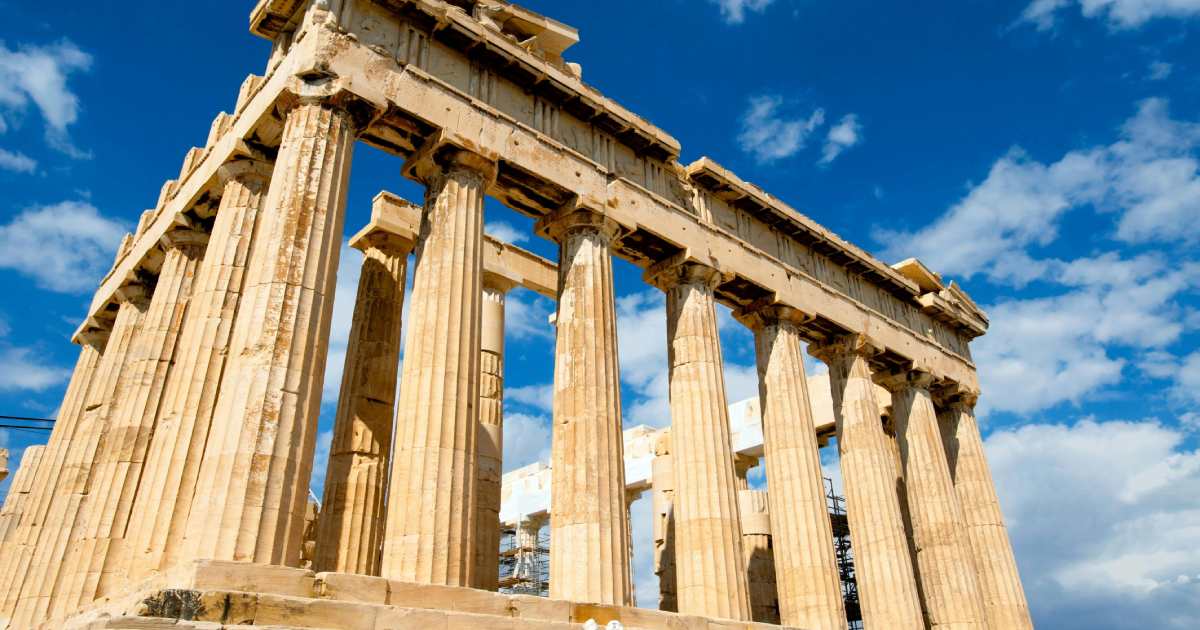
The Acropolis in Athens has been standing there for over 2,400 years. Which is wild if you think about it. Athens is considered the city of democracy, philosophy, theater. This is where civilization began.
And the best part about Athens is that her history is not stuck behind a glass. You can find it everywhere. Ruins at metro stations and philosophers’ names are on every other street sign.
Climate and Best Times to Visit Athens
Your experience with a country or city is highly influenced by the weather. And summer in Greece, especially Athens is no joke. July and August are considered as some of the most difficult months. And this is due to the high temperature that can reach even 40 celsius.
If you want to enjoy the city and not melt, aim for late spring (May–early June) or early fall (September–October). The weather is warm but bearable, and the crowds aren’t as insane. Plus, Athens is full of rooftops that offer the best sunset views.
Local Customs and Traveler Etiquette
Greek people are warm, proud, and very expressive. Do not ever feel like you are annoying anyone for asking a question. They will be more than happy to help. When I went to Athens I asked a local where I could find the best coffee and let me tell you she really recommended the best place.
A few things to keep in mind:
- Say “Kalimera” (good morning). It goes a long way and Greeks will cheer you up.
- Tipping isn’t mandatory but appreciated. Round up or leave a euro or two.
- Dress modestly at churches and monasteries. Shoulders covered and long trousers for the win.
Day 1: Ancient Athens, Acropolis, Parthenon & Plaka
Let’s be honest — you can’t come to Athens and not start with the Acropolis. It’s like skipping the Eiffel Tower in Paris. Head up early (seriously, before 9 a.m. if possible) to beat the crowds and the sun. What I loved most when I visited wasn’t just the Parthenon towering above the city — it was the sense that I was literally standing where democracy was born. Wild, right?
Once you’ve soaked up the views and snagged your obligatory photos, head down to the Acropolis Museum. It’s sleek, air-conditioned (bless), and gives you the full story behind the ruins — like the juicy footnotes of ancient gossip.
From there, wander into Plaka, the old neighborhood that feels like a postcard. Think cobblestone alleys, flower-draped balconies, and tavernas with grilled octopus that melts in your mouth. This is the part of Athens that makes you want to quit your job and move here “just for the vibe.”
Travel tips for the day:
- Get the combo ticket that covers multiple ruins. Saves cash.
- Wear shoes with grip. Marble is slicker than it looks.
- Grab lunch at Strofi — rooftop views of the Parthenon = worth it.
Day 2: A Taste of Modern Athens – Museums, Syntagma, and Markets
Now that you’ve been properly schooled in antiquity, it’s time to see what modern Athens is about. Start at Syntagma Square, where you can watch the Changing of the Guard in front of the Parliament. It’s a bit quirky — like watching soldiers do ballet in pom-pom shoes — but it’s iconic and surprisingly moving.
Next stop: Ermou Street for some shopping or people-watching, and then veer into Monastiraki. Here, you’ll hit the Monastiraki Flea Market — chaos in the best way. Vintage finds, souvenirs, even gas masks (not joking — I bought one once just for laughs).
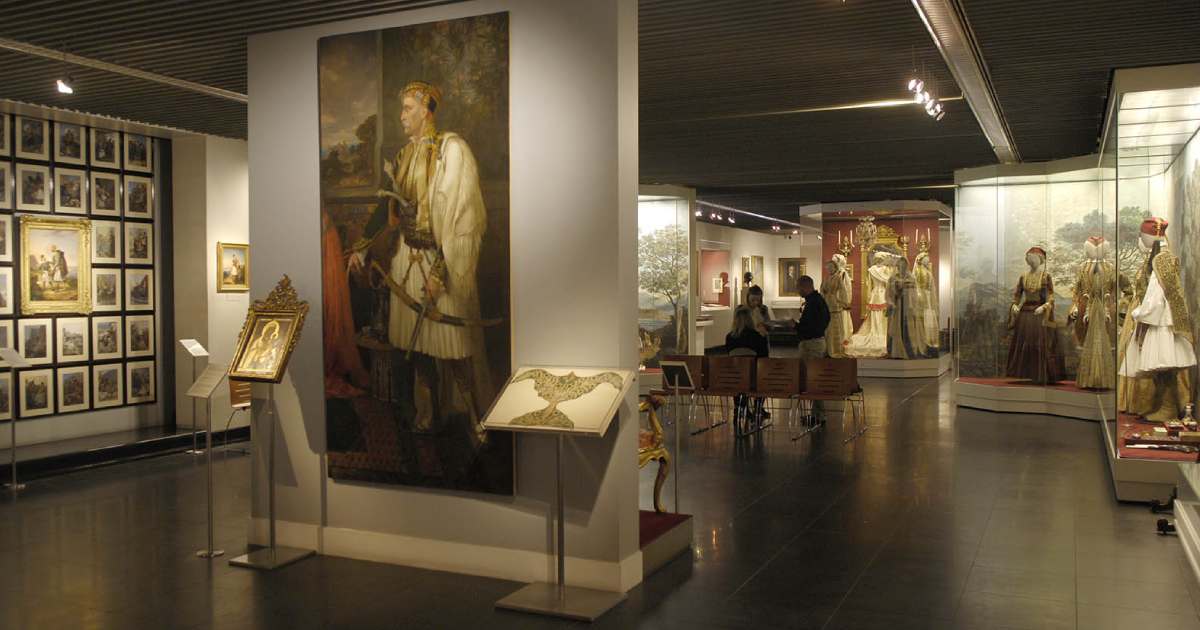
For a dose of culture, head to the Museum of Cycladic Art or the Benaki Museum, both of which I’ve personally visited and adored. They’re compact, beautifully curated, and offer a cool perspective on Greek culture beyond the ancient.
End the day in Psiri, one of the liveliest neighborhoods in Athens. Think street art, live music, and some of the best food in the city. I had the most divine lamb souvlaki here — wrapped in warm pita, dripping with tzatziki, and worth every calorie.
Day 3: Coastal Escape – Piraeus, Glyfada, or Cape Sounion
By day three, your legs might be staging a rebellion. Good news: it’s time to chill by the sea.
Option one? Piraeus, the city’s bustling port. You can stroll the marina, enjoy fresh seafood by the water, and soak up the salty breeze. I once had grilled sardines at a no-name place there that changed my life. Piraeus is that kind of place.
Option two? Head south to Glyfada, where Athens puts on its coastal chic. Boutique shops, beach bars, palm-lined streets — it’s like the city threw on a pair of Ray-Bans.
Option three (my personal favorite): Cape Sounion. It’s about 90 minutes from the city, but the Temple of Poseidon at sunset is unreal. Bring a picnic, a bottle of wine, and thank me later.
The History Buff’s Athens Itinerary
Now, if you’re the type who gets goosebumps at the word “archaeology,” Athens is your playground. I’ve guided history nerd friends through this city, and they’ve practically wept with joy. This Athens itinerary for history lovers goes deep — real deep.
Must-See Historical Landmarks and Ruins
Besides the Acropolis (covered on Day 1), you’ll want to visit:
- The Roman Agora: Less crowded, but still jaw-dropping.
- Hadrian’s Library: Right in the city center, yet often overlooked.
- The Temple of Olympian Zeus: Massive columns that give you serious “ancient Instagram backdrop” energy.
Visiting the National Archaeological Museum and the Ancient Agora
Let’s talk museums. I’ve been to dozens, but the National Archaeological Museum is a must. The exhibits are just epic. You’ll see the Antikythera Mechanism, stunning bronze statues, and golden death masks that would give Tutankhamun a run for his money.
Then head to the Ancient Agora — the beating heart of ancient Athens. This is where democracy was debated, business went down, and philosophers like Socrates hung out (and annoyed people, apparently). It’s peaceful, open, and a little humbling.
Offbeat Ancient Sites Worth Seeing (Kerameikos, Philopappos Hill)
If you’ve got time (and stamina), check out:
Kerameikos: An ancient cemetery that’s hauntingly beautiful and quiet. Not many tourists, which makes it perfect for slow wandering and reflection.
Philopappos Hill: A short hike from the Acropolis with killer views and fewer crowds. Plus, it’s where the monument of Philopappos stands, he was a Roman prince buried like a king.
What I liked most about these spots was the calm. No jostling for selfies, just pure connection with the past.
The Foodie’s 3-Day Athens Itinerary
Look, if you plan your travel around meals (guilty), Athens is going to steal your heart — and expand your waistline in the best possible way. Greek food isn’t just delicious; it’s emotional. It’s heritage served on a plate, made with real ingredients and zero fuss. Whether you’re downing souvlaki at a street cart or sipping wine in a rooftop taverna, every bite tells a story. Let’s eat our way through the city.
Best Food Tours and Local Taverns
If there’s one thing I always recommend for first-time foodies in Athens, it’s taking a local food tour. The first time I joined one, we started with koulouri (that sesame-crusted bread ring you’ll see everywhere), wandered through back alleys for feta tastings, and ended up doing shots of raki with a 70-year-old chef named Dimitris who taught me how to pronounce “tzatziki” properly.
As for local taverns, don’t miss:
- Klimataria – Classic, old-school vibes with live Greek music.
- Ta Karamanlidika Tou Fani – A cured meat and cheese paradise.
- Oineas in Psiri – Romantic lighting, slow-cooked meats, and house wine that goes down too easily.
Street Food in Monastiraki and Psiri
Here’s the secret: Athens has a killer street food scene that rivals any capital in Europe — you just need to know where to look.
Monastiraki Square is where it’s at. Start with souvlaki from Kostas (tiny shop, massive flavor). Then grab a loukoumades (Greek donuts) from LUKUMAΔΕΣ – hot, fluffy, and drenched in honey or Nutella. I once ate eight of them in one sitting and have no regrets.
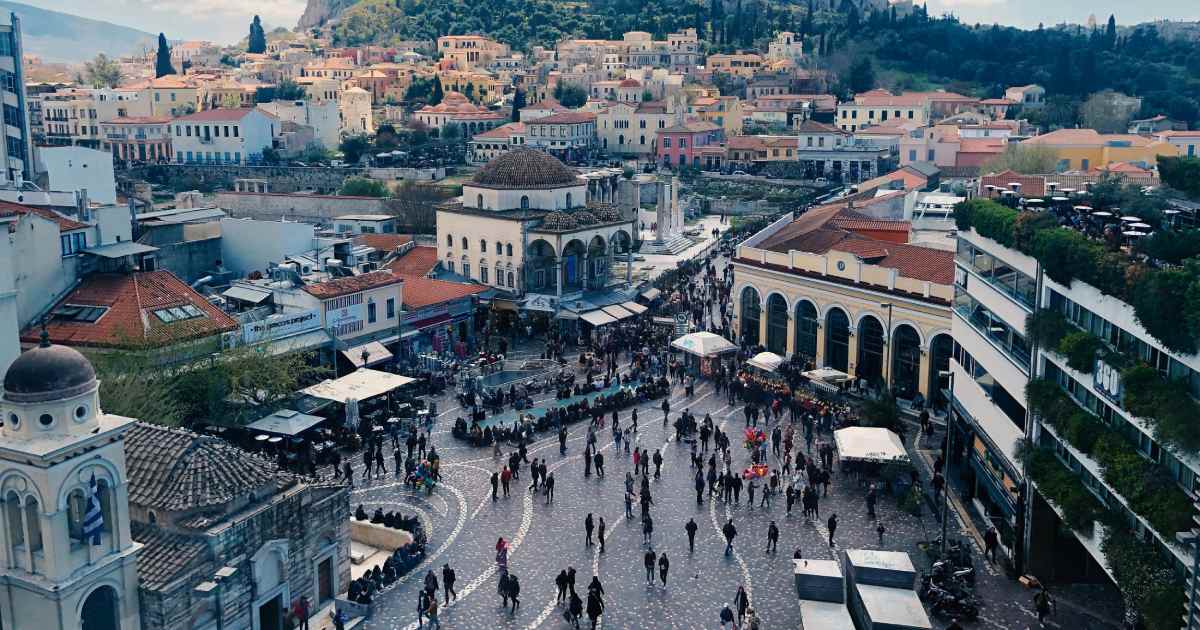
Wander into Psiri and you’ll find late-night gyros, cheese pies (try bougatsa), and a grilled corn cart that feels like it’s straight out of a Greek indie film.
Here, it’s all about flavor, speed, and atmosphere — no dress code, no reservations, just you and your taste buds getting happy.
Markets, Wineries, and Cooking Classes
Varvakios Central Market is the pulsing stomach of Athens. Locals yelling about fresh sardines, butchers cracking jokes over lamb chops, rows of olives in every shape and color. If you’re into ingredients and kitchen geekery like I am, you’ll lose your mind in the best way.
Tips for exploring the market:
- Go early (before 10 a.m.).
- Bring cash.
- Don’t be shy — sample everything.
Feeling fancy? Head to Oinoscent or By the Glass — two Athenian wine bars where sommeliers walk you through Greek varietals you’ve never heard of but will want to drink forever (hello, Assyrtiko).
And for something truly special? Take a Greek cooking class. I did one in a cozy apartment with a woman named Maria who showed us how to roll dolmades, layer moussaka, and make tzatziki that tasted better than any restaurant’s. It was hands-on, hilarious, and the feast at the end? Pure heaven.
The Art and Culture Lover’s Itinerary
If you’re the type who’d rather gallery hop than temple-hop, don’t worry — Athens has you covered. Sure, it’s ancient. But it’s also gritty, weird, experimental, and pulsing with creativity. From underground street murals to avant-garde theater, this city is full of surprises.
Athens’ Contemporary Art Galleries and Street Art
You know a city’s got soul when even the abandoned buildings are masterpieces — and that’s Athens. The first time I walked through Exarchia and Metaxourgeio, I kept stopping to photograph walls covered in jaw-dropping murals, political commentary, and poetic graffiti.
For galleries, don’t miss:
- EMST (National Museum of Contemporary Art) – Modern, sleek, and full of thought-provoking installations.
- The Breeder – Edgy and known for spotlighting rising local artists.
- Elika Gallery – Tucked-away and intimate, but always fresh.

Pro tip: Some art studios offer open tours or even workshops. It’s a great way to meet creatives and get a behind-the-scenes look at Athens’ underground culture.
Exploring Neighborhoods Like Exarchia and Metaxourgeio
If you want to get under the city’s skin, these are your spots. Exarchia is rebellious, bookish, and bursting with radical energy. Think bookstores, anarchist cafés, and some of the boldest street murals you’ll ever see.
Metaxourgeio, on the other hand, is where grunge meets gallery. I stumbled into an art exhibition here once that spilled into the street — locals dancing, wine flowing, the kind of spontaneous magic you can’t plan for.
Both neighborhoods are raw and real — the anti-tourist side of Athens. And if you’re tired of polished attractions and want a slice of Athens that feels alive, unpredictable, and full of stories — this is where to go.
Tools & Apps to Help Plan Efficiently
I love spontaneity as much as the next wanderer, but a little tech never hurts. Here are some planning tools I actually use:
- Google Maps – Save pins and offline maps
- Visit Greece app – Official info, updated opening hours, etc.
- Taxi Beat (now FREE NOW) – Trustworthy rides without the scams
- OASA Telematics – Local transport app to track buses/trams
Where to Stay in Athens for Every Travel Style
Choosing where to stay in Athens isn’t just about price or proximity to the Parthenon — it’s about vibe matching. Each neighborhood has its own personality, and trust me, where you sleep can shape your entire experience. I’ve stayed in everything from Airbnbs in artsy alleys to boutique hotels with Acropolis views, and every area tells a different story.
Best Areas for First-Timers: Plaka, Syntagma, and Koukaki
If this is your first rodeo in Athens, these three areas are a solid bet.
Plaka
Picture-perfect and close to everything. You’ll be steps from the Acropolis, surrounded by neoclassical buildings and leafy streets. Yes, it’s touristy, but also incredibly charming. I once stayed in a tiny guesthouse here with a rooftop view, and I still think about that breakfast under the Parthenon.
Syntagma
Central and well-connected. You’re next to the metro, buses, and the Changing of the Guard (a quirky must-see). Hotels here tend to be more upscale, and it’s ideal if you want to be walking distance to all the major Athens itinerary highlights.
Koukaki
My personal favorite. It’s trendy but low-key, filled with bakeries, brunch spots, and locals just living life. Plus, it’s a short walk to the Acropolis and not swarming with tourists.
Thissio
Tucked near the Ancient Agora and close to Philopappos Hill. It’s got that rare mix of quiet charm and historical weight. Early mornings here are magic — I once had coffee with a view of the Acropolis and zero people around.
How to Travel to Neighboring Cities from Athens
Now, if you’re sticking around Athens for a few days and have that urge to explore beyond the capital (I always do), you’re in luck — Greece has killer day trips. Whether you’re into ruins, island escapes, or seaside charm, Athens makes a perfect base for branching out.
Delphi
If you’re a history lover, this is a must. Known as the “navel of the world” in ancient times, it’s a two-and-a-half-hour drive from Athens and absolutely stunning. The ruins cling to a mountainside, and the views are next-level. I recommend going early and booking a guided tour — the mythology here is as rich as the scenery.
Nafplio
A romantic seaside town with Venetian vibes. It’s slower-paced, lined with cafes, and has a fortress you can hike to if you’re feeling brave (I did it once in flip-flops — would not recommend). Perfect for a relaxing day trip.
Hydra
No cars, no stress. Just donkeys, cobbled paths, and turquoise water. Hop on a ferry from Piraeus, and you’ll be here in under 2 hours. Great for those craving that Greek island charm without the island-hopping logistics.
Train, Ferry, or Bus? Transport Options Explained
Train (OSE)
Comfortable and scenic — especially if you’re heading north (like to Thessaloniki or Delphi via connection). Book early, especially in summer.
Bus (KTEL)
Affordable and covers more towns than the train. It’s the main way to get to Nafplio, Meteora, or even the Peloponnese. I’ve used KTEL buses multiple times, and while they’re basic, they’re reliable and on time.
Ferry
For island trips, ferries leave from Piraeus (main port) and Rafina (smaller but closer to the airport). Companies like Blue Star Ferries and SeaJets are the big names. If you’re heading to Hydra, Aegina, or Santorini — ferry is the way to go.
⚠️ Pro Tip: Don’t wait till last minute during high season (June–September). Ferries and buses fill up fast, especially for popular routes. And if you’re booking anything online, always double-check the port and departure gate — Piraeus is massive and confusing, especially at dawn when you haven’t had coffee yet.
Athens Has Layers – Peel Them Your Way
Athens rewards those who linger, who walk without Google Maps, who let the rhythm of the place pull them instead of pushing through a checklist. It’s chaotic, warm, scrappy, stunning — just like life.
