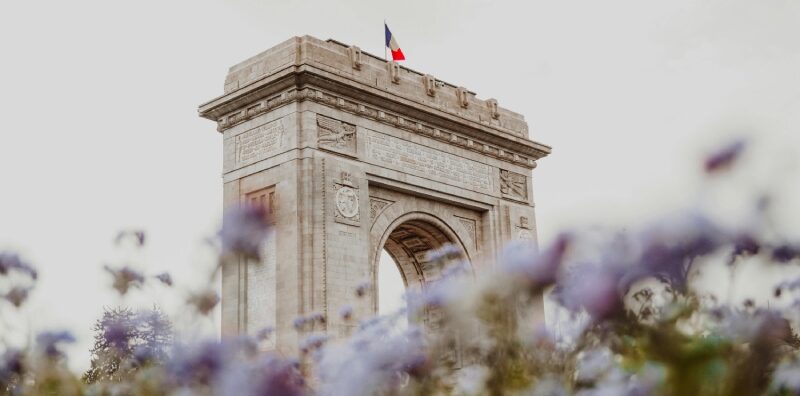
Bucharest is a city that combines views, castles and a rich history. This city offers many options. From the grand streets of Bucharest to the Bran Castle.
Romania: A Land of History, Legends, and Breathtaking Views
Romania is a country influenced by the Roman, Ottoman, Saxon, and Hungarian times. All of which create a unique culture.
But Romania has a vibrant and modern side too. Bucharest, the capital, is a city of contrasts. You will see large communist-era buildings and elegant 19th-century palaces. Trendy cafes and restaurants, hidden behind historical buildings.
Then there is Brasov. A Saxon town surrounded by the Carpathian Mountains. And, of course, we can’t forget Bran Castle, or the Dracula legend. It really gives a taste of Transylvania’s mysterious past.
Discovering Bucharest: The Little Paris of the East
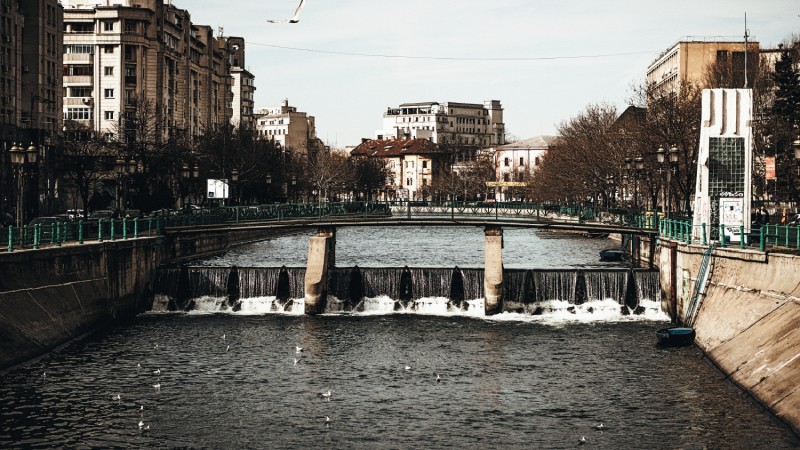
This Eastern European city knows how to mix old with modern energy. Known as “The Little Paris of the East,” this capital is a place where grand Belle Époque buildings meet street art.
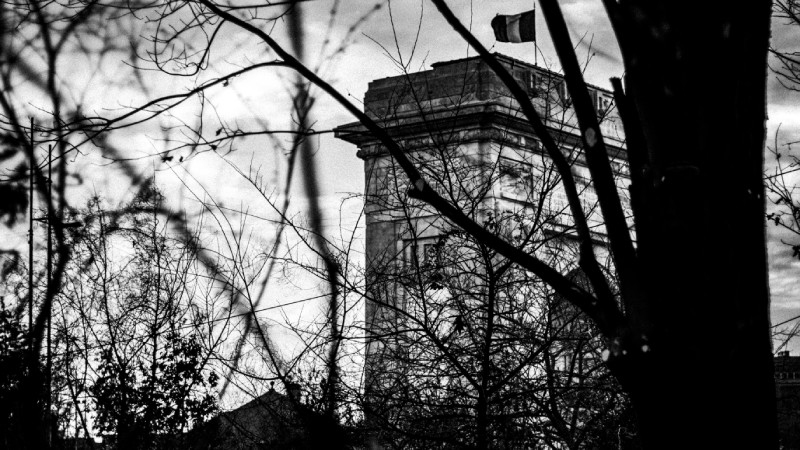
Where Orthodox churches stand next to towering communist-era blocks, and where hipster cafes are just as common as historic museums.
The Evolution of Bucharest: From Medieval Times to Today
The city’s history goes back to at least the 15th century when it was first mentioned in documents tied to none other than Vlad the Impaler. Over the centuries, Bucharest grew into the capital of Wallachia. It survived Ottoman rule, and later became the center of modern Romania.
Fast forward to the 20th century, and things took a dramatic turn. Under communist leader Nicolae Ceaușescu, much of the city’s old charm was taken away. Soviet-style buildings became a common sight. Including the Palace of the Parliament, one of the largest buildings in the world.
Why is Bucharest Called “Little Paris”?
Back in the late 19th and early 20th centuries, Bucharest went through a serious Parisian glow-up. Grand roads were designed to mimic the Champs-Élysées. The highest society spoke French, and elegant buildings filled the city. An example is the Arc de Triomphe!
Top Attractions in Bucharest
Due to the significant changes we already mentioned, Bucharest is a city where walking is mandatory. It has many hidden attractions that you can not reach by car.
1. The Palace of the Parliament
This gigantic building, is the second-largest administrative building in the world. It has over 1,000 rooms and chandeliers the size of buses. The marble that it was constructed from is marvelous. Depending on where you stay, you can visit of course by bus but also by foot.
💡Tip: There is so much information and detail that a guided tour is mandatory. They will help you explore a fraction of the building’s 3.9 million square feet and learn about the insane lengths Ceaușescu went.
At the end of the tour you can enjoy your coffee or breakfast at the restaurant inside the parliament.
2. The Old Town (Lipscani) – Where History Meets Party Vibes
If you want to time-travel and party at the same time, Bucharest’s Old Town is the place to be. This area is a maze of cobblestone streets, medieval inns, and historic churches.
During the day, you can pop into Carturesti Carusel, a stunning bookstore that looks straight out of a dream. When you walk outside of the store it’s not something special. Until you get to the inside. A white enormous ladder and thousands of books and souvenirs. I personally have never seen anything like that.
One of the most popular cafes of the district is the Grand Cafe Van Gogh. We did not have a reservation and we visited during rush hour so it was impossible to find a table. So, you better make a reservation before visiting.
If you’re looking for a special restaurant, check out Caru’ cu Bere. I am talking about a historic beer hall with glass windows, live music, and the best sarmale (cabbage rolls) in town. The atmosphere was unmatched and the hospitality excellent. The decoration made you feel like you were in a different century.
But as the sun sets, Lipscani transforms into a nightlife hotspot. There are a plethora of places according to your vibes. It offers from cozy pubs to wild clubs that keep the city alive until dawn.
3. Stavropoleos Monastery – A Slice of Serenity
Tucked away in the chaos of the Old Town, there is Stavropoleos Monastery. Built in 1724, this tiny Orthodox church is famous for its stone carvings, wooden icons, and peaceful yard.
Even if you’re not religious, this place is worth a visit just for its beauty and tranquility. The monastery’s choir also performs traditional Byzantine chants, which adds a touch to the experience.
💡 Fun Fact: The name “Stavropoleos” means “The City of the Cross” in Greek.
Museums and Cultural Landmarks
1. The National Museum of Art of Romania
The national museum is located in the Royal Palaces. It offers medieval icons and 19th-century impressionist paintings. It definitely travels you to Romania’s artistic heritage.
💡 Tip: If you love Renaissance and Baroque art, don’t miss the European Gallery. It features works by Rubens, Rembrandt, and El Greco.
2. The Romanian Athenaeum – The Crown Jewel of Bucharest
When i tell you i was speechless, i literally mean it. It has domed ceiling, marble columns, and grand frescoes. This neo-classical building is a symbol of Romania’s cultural pride.
It’s home to the George Enescu Philharmonic Orchestra, and if you get the chance to attend a concert here, do it. It will literally give you goosebumps. I was lucky enough to find some last minute tickets. The best concert I have ever spent my money on!
💡 Fun Fact: The building was constructed in 1888 thanks to a massive crowdfunding campaign with the slogan “Give a leu for the Athenaeum” (a “leu” being Romanian currency).
3. The Village Museum – Romania in a Nutshell
Dimitrie Gusti Village Museum is located in Herăstrău Park. It is an open-air museum, a time capsule of traditional Romanian life. It features over 300 authentic houses, barns, and churches brought from different regions of the country.
Exploring the Green Spaces and Outdoor Attractions in Bucharest
Bucharest isn’t just about grand architecture and streets. I was amazed by the beautiful green spaces. There are various parks and gardens to forget the city for a while.
1. Herăstrău Park – The Green Giant of Bucharest
If there’s one park that truly stands out in Bucharest, it’s Herăstrău Park. Covering over 400 acres, this is the biggest park in the city and feels more like a nature reserve than a regular park. It is around Lake Herăstrău and offers many options like boat rides.
So, what’s there to do? Plenty!
- Rent a bike and explore the whole park.
- Hop on a boat ride across the lake.
- Grab a drink at one of the chic lakeside restaurants.
- Visit the Village Museum, located within the park, to see a collection of traditional Romanian homes.
💡Tip: If you’re visiting in summer, try to catch the sunset by the lake.
2. Cişmigiu Gardens – A Romantic Getaway in the City
Cişmigiu Gardens is quiet and romantic. This is Bucharest’s oldest park, dating back to the 19th century. It has that classic European charm with elegant pathways.
- It’s smaller but it offers nothing less.
- Row a boat on the lake if you’re visiting in summer.
- Explore the paths filled with gorgeous sculptures and fountains.
- Visit the Rotonda of Writers. It shows Romania’s greatest poets and novelists.
💡 Tip: If you’re visiting in winter, the lake turns into an ice-skating rink!
Day Trips from Bucharest: History, Legends, and Stunning Scenery
Bucharest is fantastic, but it has more to offer. A short drive from the city, you’ll find historic monasteries and fairytale palaces.
1. Snagov Monastery – The Legendary Burial Site of Vlad the Impaler
The land monastery is located in the middle of Snagov Lake. It is said that is the final resting place of Vlad the Impaler (dracula).
So, is Dracula really buried here? Nobody knows for sure, but the mystery makes it intriguing. The monastery itself is a peaceful and beautiful place.
To get there, you’ll need to take a boat ride across the lake, which adds to the whole “Dracula adventure” vibe.
💡 Tip: The best way to visit Snagov Monastery is by car. If you’re feeling adventurous, some locals offer private boat rides across the lake for a small fee.
2. Mogoșoaia Palace – A Fairytale Escape Just Outside the City
Mogoșoaia Palace is a dream come true. Built in the early 18th century, this palace is a perfect blend of Ottoman, Byzantine, and Romanian architectural styles.
The best part? It’s only 30 minutes from Bucharest, making it the perfect half-day trip.
- Wander through the beautiful gardens.
- Explore the museum inside, filled with historical facts.
- Enjoy the lake view.
Brașov: The Gateway to Transylvania
If there’s one place in Romania that feels like it’s straight from the pages of a medieval fairytale, it’s Brașov. This Transylvanian town has it all. Gothic churches, pastel-colored houses, and dramatic mountains.
Beyond its charm, Brașov is the perfect base for exploring Transylvania. It has easy access to castles, hiking trails, and ski resorts.
Saxon Heritage and Medieval Charm
Brașov owes a lot of its unique character to the Saxons. Saxons were German settlers who arrived in the region during the 12th century. They built fortified walls, watchtowers, and gothic churches.
This turned Brașov into one of the most important trading hubs of the time. Even today, the Saxon influence is everywhere.
Brașov’s Role in Romania’s History
Brașov played a major role in Romania’s political and cultural evolution. Over the centuries, it was a key center for trade, education, and even revolution. In fact, one of the first documents written in Romanian was printed here in the 16th century.
Through wars and political changes, Brașov has managed to hold onto its medieval heart. This makes it one of the most fascinating places to visit in Romania today.
Top Attractions in Brașov
Once you arrive in Brașov, you’ll realize that everything revolves around the Old Town. It’s compact, walkable, and packed with architectural gems. Here are the must-see attractions:
1. The Black Church – A Gothic Masterpiece
You can’t visit Brașov without stopping by the Black Church. Is the largest gothic cathedral in Eastern Europe.
It was built by the Saxons in the 14th century. Dominates the Old Town with its darkened stone walls (a result of a fire in the 17th century) and towering spires.
Inside, you’ll find stunning stained glass windows and an enormous organ with over 4,000 pipes. Also, one of the largest collections of Anatolian carpets in Europe. The Saxons had b trade ties with the Ottoman Empire, and these carpets were considered valuable status symbols.
2. Council Square (Piața Sfatului) – The Heart of the Old Town
Right in the center of Brașov, you’ll find Piața Sfatului, the town’s main square. Surrounded by colorful buildings, this square has been the center of Brașov’s social life for centuries.
The star attraction here is the Council House (Casa Sfatului), which now houses the Brașov History Museum.
💡Tip: Visit in December, when the square is full of twinkling lights, market stalls, and a massive Christmas tree.
The History of Bran Castle: A Medieval bhold
Bran Castle’s Origins and Strategic Location
Long before vampires were even a thing, Bran Castle had already earned its place in history. Built in 1377 by the Saxons, it was strategically positioned to guard the border between Transylvania and Wallachia. It was designed to keep invaders away and provide protection.
Over the centuries, Bran Castle changed hands multiple times. It was ruled by Hungarian kings, Wallachian princes, and later the Romanian monarchy.
Vlad the Impaler and the Bran Castle Connection
Vlad the Impaler was the 15th-century Prince of Wallachia, infamous for his brutal tactics.
But here’s the big plot twist. There is no solid evidence that Vlad the Impaler ever lived in Bran Castle! Some historians believe he may have passed through, but that’s about it. His actual residence were Poenari Castle and Târgoviște, his former capital.
So, how did Bran Castle become “Dracula’s Castle”?
The Dracula Connection: Myth vs. Reality
Bram Stoker’s Dracula and the Bran Castle Legend
Irish writer Bram Stoker published Dracula in 1897, introducing the world to the bloodthirsty Count Dracula, who lived in a mysterious, crumbling castle in Transylvania.
Stoker never actually visited Romania! He based Dracula’s castle on descriptions and imagination. When you read the novel, Dracula’s castle is described as sitting high above a deep gorge. While Bran Castle fits the aesthetic, there’s no direct connection between Stoker’s Dracula and this fortress.
The Real Vlad the Impaler vs. Fictional Dracula
Bram Stoker borrowed Vlad the Impaler’s name but nothing else. Vlad was a ruthless but strategic leader who fought off the Ottoman Empire’s invasions.
His cruel methods of punishment earned him a fearsome reputation. This, combined with local vampire folklore, probably inspired Stoker’s character.
What to See Inside Bran Castle
- Secret Passages: Hidden corridors and staircases add a mysterious touch. One passage, discovered in the 1920s, connects the first and third floors.
- Royal Rooms: In the 1920s, Bran Castle became a summer residence for Queen Marie of Romania. She gave a cozy and romantic makeover. Today, you’ll see rooms filled with traditional furniture, tapestries, and medieval artifacts.
- Medieval Weapons & Armor: Collection of swords, crossbows, and suits of armor.
- Vampire Exhibit: There’s a section dedicated to vampire myths and Bram Stoker’s novel.
Where to stay in Bucharest
If you are wondering where to stay in Bucharest the answer is simple. Prefer a place close to the city center so that you have easy access to bus stations and the train system. You can go anywhere you want by train.
Conclusion: Why You Need to Visit Bucharest, Brașov, and Bran Castle
Romania is a country that has many reasons to stand out. Bustling streets of Bucharest, medieval charm of Brașov and the mystique of Bran Castle.
Why Visit Romania?
✔️ History & Legends: From Dracula myths to royal palaces, Romania’s history is alive everywhere.
✔️ Breathtaking Landscapes: The Carpathian Mountains and Transylvanian villages.
✔️ Food & Hospitality: The warm, welcoming locals and delicious traditional food will make you feel at home.
✔️ Affordable Travel: Romania is one of Europe’s most budget-friendly destinations.
