
Bilbao has truly risen as a phoenix from the ashes of its industrial past, soaring towards a vibrant cultural future. If you are fascinated by the transformation of Bilbao like I am, you are in for a treat with Bilbao’s story.
The history of Bilbao is not just a story; it’s an epic saga. You can imagine a gritty, industrial powerhouse, wrapped in the smog of its factories, where the clanging of metal and the hiss of steam were the soundtrack of daily life. For the longest time, Bilbao was this place where hard work and heavy industry provided bread and butter for its people.
But here’s the kicker – this city performed a 180-degree turn. It didn’t just undergo change; it revolutionized itself. Bilbao transformed from its industrial past into a cultural future hub, with the Guggenheim Museum Bilbao not simply serving as a cherry on top but acting as a beacon of this monumental shift.
You might wonder, why does Bilbao’s journey matter?
Oh, it matters big time! It shows cities worldwide that they can pivot from industrial decline to become a hotspot for art, culture, and sustainability. Let’s check out this Bilbao travel blog if we want to explore the city’s transformation.
Bilbao’s Industrial Era
Let’s roll back the clock and land in Bilbao during its industrial heyday.
The roots of industrialization in Bilbao
The roots of industrialization in the city are deep and tangled: they lie within the rich veins of iron ore that snake through its hills. This invaluable resource was the treasure that sparked the mining boom, subsequently transforming Bilbao into an unstoppable industrial powerhouse. Just imagine walking through the city back then—feeling every step vibrate with tremendous energy, as diligent efforts were made to extract vast quantities of this precious ore. It was this abundance of natural resources that catapulted Bilbao into the industrial limelight.
With iron aplenty, the development of steel and shipbuilding industries was inevitable: picture the docks alive with the sound of hammers on metal, the air thick with the scent of welding torches. Ships of all sizes began to take shape — destined to traverse the oceans. This was Bilbao’s bread and butter, and what a feast it was.
Walking through the remaining shipyards, I feel as though I am strolling in a living museum of ingenuity and hard work; my fascination with the evolution of industrial cities intensifies.
Economic impacts on the city
Jobs were plentiful, and the city grew wealthy on the back of its industrial might. It was a golden age of economic prosperity, but not without its cost. As is often the case, with great progress comes great challenges.
Social and environmental consequences
The city’s transformation was not just physical but social, with communities reshaped by the demands of industry. The environmental toll was heavy, with pollution cloaking the city in a near-permanent haze. I’ve seen the before-and-after photos, and it’s startling – a reminder of the price of progress.
Bilbao’s industrial age is a chapter in the city’s history that sets the stage for its remarkable transformation, offering lessons in resilience, adaptation, and the importance of sustainable development.
The Catalysts for Change
Every great story has its turning point, and for Bilbao, it was the moment when the booming industry started to whisper. Let’s dive into the catalysts that sparked one of the most remarkable urban metamorphoses of our time.
Economic downturn
Economic downturn and the need for revitalization became painfully apparent as the 20th century wore on. The very industries that had been the lifeblood of Bilbao began to falter under global competition and technological changes. Jobs vanished as quickly as they had appeared, leaving the city in a precarious position.
Local government initiatives
Understanding that the path to revitalization was through innovation and transformation, city leaders embarked on an ambitious plan. They weren’t just looking to give Bilbao a facelift; they aimed to reimagine the city’s very soul. I’ve followed many urban renewal efforts, but what sets Bilbao apart is the boldness of its vision. The local government didn’t just act; they dared to dream big.
Role of cultural institutions in urban renewal
It’s one thing to build new infrastructure, quite another to infuse a city with culture and art. The Guggenheim Museum Bilbao isn’t just an architectural marvel; it’s a symbol of Bilbao’s new identity.
Having been to the Guggenheim myself, I can attest to the transformative power of such institutions. They’re not just buildings; they’re beacons of change, drawing in visitors and locals alike, fostering a sense of community and pride.
The catalysts for change in Bilbao were not just about overcoming economic challenges; they were about envisioning a new future. The local government and cultural institutions worked hand in hand to pivot the city from its industrial roots towards a vibrant, sustainable future.
Planning Bilbao’s Transformation
Let’s unpack how Bilbao mapped its journey from an industrial city to a cultural beacon, a process that’s come to be known, quite fittingly, as the Bilbao Effect.
The Bilbao Effect
The concept? Leverage spectacular architecture and cultural institutions to catapult the city onto the world stage.
But its execution? That’s where the magic happened. It was about more than just slapping a museum onto the cityscape. This was a comprehensive overhaul of Bilbao’s image and infrastructure, aiming to make the city not just livable but loveable.
Urban planning strategies
Bilbao’s leaders didn’t just focus on the big-ticket items; they rethought everything from public spaces to transportation. They transformed the city into a canvas, where each stroke became part of a larger masterpiece. When visiting Bilbao, one can’t help but admire how seamlessly old and new integrate, as modern marvels stand alongside historical gems.
Public and private sector collaboration
Both sectors played to their strengths, pooling resources and expertise to fuel Bilbao’s resurgence. Through this synergy, Bilbao didn’t just transform; it thrived, setting a benchmark for cities worldwide.
The Bilbao Effect, urban planning strategies, the pivotal role of the Guggenheim Museum, and the partnership between public and private sectors were all threads forming the change.
Cultural Renaissance
Establishment of key cultural landmarks
Bilbao’s cultural resurgence has been marked by the establishment of key landmarks and a calendar brimming with vibrant festivals and events.
Guggenheim Museum

The Guggenheim Museum is undoubtedly the crown jewel in Bilbao’s cultural resurgence. It’s more than a museum; it’s a symbol of innovation and creativity. Walking through its galleries, I’ve been struck by the power of art to inspire and provoke. It’s a place where each visit offers a new perspective, reflecting the dynamic nature of culture itself.
Bilbao Fine Arts Museum
The Bilbao Fine Arts museum is like a conversation between generations, where classical works sit alongside contemporary masterpieces. It’s a testament to Bilbao’s rich artistic tradition and its ongoing commitment to cultural expression.
Visiting this museum, I’ve felt the depth and breadth of Bilbao’s artistic soul, showcasing a city deeply proud of its past yet eagerly embracing the future.
The Euskalduna Conference Centre and Concert Hall
Hosting everything from opera to tech conferences, it’s a place where ideas and cultures converge. Every time I’ve attended an event here, I’ve been impressed by the vibrancy and diversity of the discussions, a reflection of Bilbao’s role as a meeting point for minds from around the world.
Festivals and events promoting Bilbao’s heritage
From the exuberant Aste Nagusia festival to the avant-garde BBK Live music festival, these events knit the community together, celebrating Bilbao’s identity and its place in the wider world.
Participating in these festivities, I’ve danced, laughed, and been moved by the collective joy and pride of Bilbao’s people, a testament to the city’s vibrant spirit.
Economic Revival and Global Recognition
Moving forward in this Bilbao travel blog, let’s explore how this once industrial stronghold pivoted to become a beacon of culture, innovation, and prosperity on the world stage.
Shift in economic focus
The shift in economic focus from heavy industry to sectors like tourism, culture, and technology has been nothing short of revolutionary. Bilbao smartly leveraged its rich history and cultural assets, turning potential liabilities into its greatest strengths.
The city’s transformation has caused a staggering tourism boom. International travelers seeking more than just a destination, but an experience, have put Bilbao on the map thanks to attractions like the Guggenheim Museum. The footsteps of tourists from around the globe now resonate through the streets that were once dominated by the hum of industry. Each visitor contributes to the local economy, from boutique hotels to charming cafés.
Bilbao has emerged as a global leader in innovation and technology, attracting startups and tech companies from around the world. This focus on embracing the future has diversified its economy and positioned it at the forefront of the digital age.Bilbao’s economic landscape has seen a pivotal shift towards innovation and technology sectors.
The city has become a hub for startups and tech companies, attracting talent from around the world. This focus on innovation not only diversifies Bilbao’s economy but also positions it as a leader in the digital age.
Awards and accolades
From prestigious urbanism awards to recognition as a top travel destination, these accolades are a testament to Bilbao’s achievements. Each award not only celebrates the city’s past efforts but also propels it forward, attracting more visitors, investors, and innovators.
Having observed the pride these honors instill in the people of Bilbao, it’s clear that they are not just accolades but affirmations of the city’s new identity and global stature.
Environmental and Social Sustainability
This aspect of Bilbao’s transformation showcases how urban renewal can go hand in hand with green initiatives and community well-being.
Green spaces and biodiversity
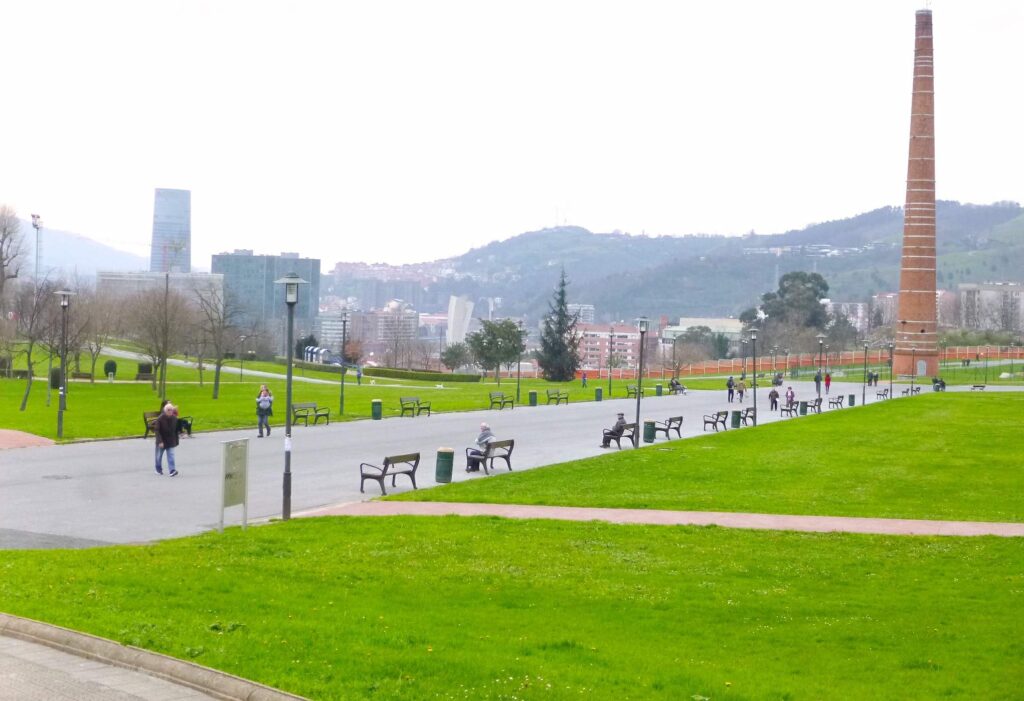
Parks like the Etxebarria Park, once the site of a steel mill, now offer lush expanses where biodiversity thrives, and residents can connect with nature. Walking through these green spaces, I’ve felt a sense of peace and renewal, witnessing first-hand how these areas serve as the city’s lungs, purifying the air and providing a sanctuary for both people and wildlife.
Social cohesion and community projects
Bilbao has worked to ensure that its transformation benefits everyone, from urban regeneration projects involving local residents in decision-making to cultural programs celebrating diversity. I have seen the power of these efforts in bringing people together, bridging divides, and building a sense of belonging and pride among Bilbao’s inhabitants through participation in community events.
Sustainable tourism practices
Bilbao is actively managing the impact of its tourism boom by implementing measures to protect its cultural and natural assets while ensuring a positive experience for visitors. Efforts are evident throughout the city in promoting local culture, reducing waste, and encouraging eco-friendly travel options.
Where to Stay in the City?
Bilbao caters to all kinds of travelers, whether you prefer luxury indulgence, value for money or budget-friendly adventures.
Luxury accommodations
Hotels like the Gran Hotel Domine not only offer a stay but also provide an unforgettable experience. With rooftop terraces, gourmet dining, and interiors that are artworks in themselves, these hotels give you more than just a place to crash.
Mid-range options
Bilbao provides a variety of affordable, stylish hotels. The Hotel Conde Duque is one such place, located near the iconic Zubizuri Bridge. It offers cozy accommodations and warm hospitality for a convenient and charming stay.
Budget-friendly stays
Places like the Bilbao Central Hostel and affordable hotels offer neat, cozy, and conveniently located lodging options. These spots usually come with shared kitchens, lively hangout spaces, and helpful hints from welcoming staff.
Opting for these accommodations helps you save some cash and stretch those dollars. Style Adaptation: It also gives you the chance to connect with other travelers and explore Bilbao’s secret spots like a true local.
How to Travel to Neighboring Cities from Bilbao
Here’s a guide based on my own adventures and experiences on navigating from Bilbao to its scenic environs.
Public transportation options
Train services offer a scenic and serene way to explore the regions surrounding Bilbao. For instance, the Euskotren connects Bilbao with charming coastal towns, while Renfe services can transport you to major cities across Spain.
Also, Bilbao has extensive bus routes that connect you to almost any destination within the Basque Country and beyond. Buses like the Bizkaibus offer frequent services to nearby attractions, making day trips both affordable and convenient.
Driving and car rental tips
Renting a car offers the freedom to explore at your own pace, perfect for adventurous individuals or those seeking less accessible locations. The well-maintained roads in and around Bilbao provide an exhilarating experience while driving through the Basque Country. However, it is important to always consider local driving laws and parking regulations.
Cycling and walking trails
Lastly, for active adventurers, the region offers an abundance of cycling and walking trails. The Camino de Santiago runs through the area with various routes, providing both a physical challenge and a spiritual journey. Cycling routes along the coast or through hills offer stunning views and allow for a deep connection to the land.
Conclusion
Visionary urban planning and community resilience are responsible for transforming Bilbao from an industrial behemoth to a cultural and sustainable urban wonder.
The city has done an amazing job of blending its industrial roots with state-of-the-art buildings, parks, and lively cultural scenes. This transformation has not only made life better for the locals but also turned Bilbao into a top-notch place to visit, attracting people from all over the world.
The bustling streets, thriving arts scene, and the community’s renewed sense of pride palpably demonstrate the ongoing impact of this transformation.
Bilbao’s future shines bright, with a focus on innovation, sustainability, and inclusivity that promises to propel the city into new heights of prosperity and livability. The city is boldly marching towards an even more vibrant and sustainable future.
