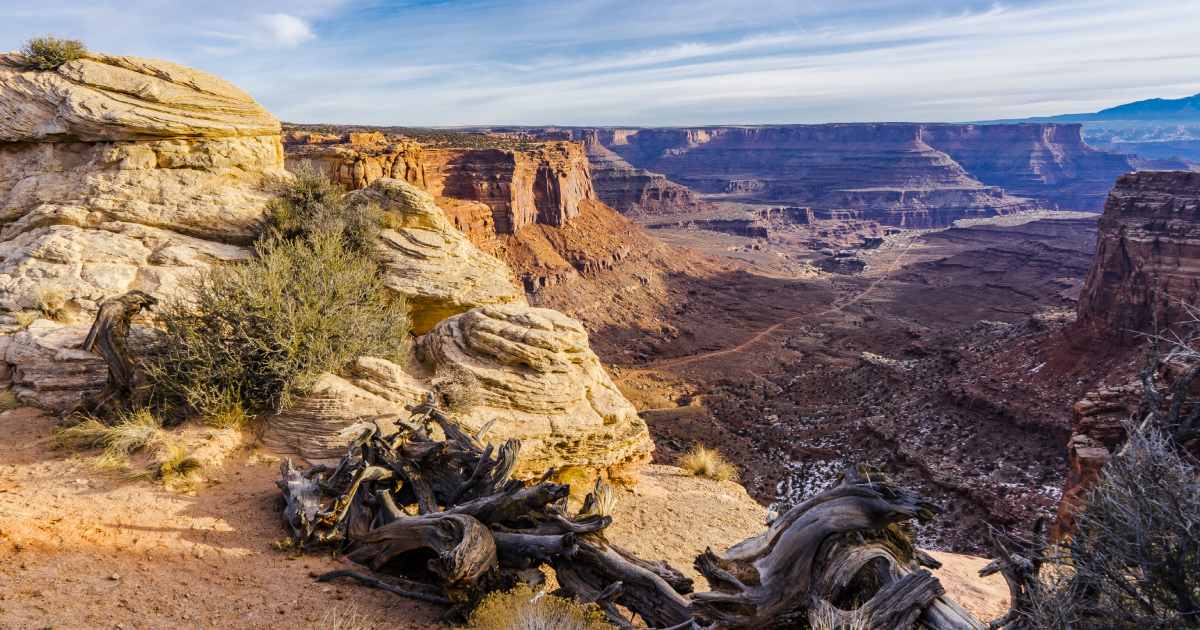
Utah is home to some of the most jaw-dropping landscapes on Earth. Red rocks, deep canyons, and natural arches shape a world that feels otherworldly. The 5 Utah National Parks — Arches, Canyonlands, Capitol Reef, Bryce Canyon, and Zion — form a legendary circuit known as the “Mighty 5.” Whether you’re planning a week-long adventure or a slow scenic drive, these parks showcase the best of the American Southwest.
Why the Utah National Parks Are So Special
When travelers talk about the best national parks to visit in the US, Utah’s name always comes up. Few states can match its variety of colors, shapes, and terrain. From fiery sandstone arches to slot canyons and cliffs that rise a thousand feet high, the scenery here feels like a natural cathedral.
Each park tells its own story, but together they form a perfect road trip. This guide covers everything you need — from a detailed Utah national parks road trip map to timing, highlights, and travel tips — to make your journey unforgettable.
How Many National Parks Are in Utah?
Utah has five official U.S. national parks, often called the Big 5 Utah National Parks or “The Mighty 5.” They stretch across the southern part of the state, connected by scenic highways and small adventure towns.
- Arches National Park – Red rock arches and surreal stone formations.
- Canyonlands National Park – Vast canyons carved by the Colorado River.
- Capitol Reef National Park – Hidden cliffs, fruit orchards, and sandstone domes.
- Bryce Canyon National Park – Home to thousands of hoodoos, or rock spires.
- Zion National Park – Towering cliffs, lush valleys, and dramatic hikes.
Together, they make Utah a dream destination for nature lovers, hikers, and photographers. If you’ve ever wondered how many national parks are in Utah, the answer is five — and every one deserves a spot on your list.
Planning Your Utah National Parks Road Trip
Traveling between these parks is easier than you might think. They form a near-perfect loop, so you can start from either Salt Lake City or Las Vegas and circle through all five in about a week. Many travelers call this route one of the best national parks in USA road trips ever created.
Sample Utah National Parks Itinerary
- Day 1–2: Arches & Canyonlands (based in Moab)
- Day 3: Drive to Capitol Reef (stop for scenic views at Goblin Valley)
- Day 4–5: Bryce Canyon
- Day 6–7: Zion National Park
This route covers around 900 miles and can be done in 7–10 days. To plan your journey visually, check a map of national parks in Utah — it’ll help you see how connected they are.
Best Time to Visit Utah National Parks
The desert can be both beautiful and harsh, so timing is everything. The best time to visit Utah national parks is during spring (March–May) or fall (September–October). You’ll find mild temperatures, clear skies, and fewer crowds.
Summer brings stunning light but also scorching heat, often over 100°F (38°C). If you visit between June and August, start hikes early and carry extra water. Winter, meanwhile, turns Bryce and Zion into snowy dreamscapes — cold, quiet, and ideal for photographers.
Compared to other best national parks to visit in the US, Utah’s Big 5 stand out for their year-round beauty and variety. Every season brings something new.
1. Arches National Park
Arches feels like nature’s art gallery. With over 2,000 natural stone arches, it’s a world of curves, balance, and symmetry sculpted by wind and time. It’s no wonder it ranks among the best national parks in Utah.
Top Things to See
- Delicate Arch: The state’s most famous symbol — especially stunning at sunset.
- Landscape Arch: One of the longest natural arches in the world.
- Double Arch: A photographer’s favorite with two arches joined at the base.
- Balanced Rock: A gravity-defying icon seen from the main road.
The 18-mile Scenic Drive connects most viewpoints, and hikes range from easy strolls to longer trails. Visit early morning or evening for soft light and fewer visitors. Moab, the nearby town, also makes a great base for off-roading and stargazing.
2. Canyonlands National Park
Just 30 minutes from Arches lies Canyonlands, a massive park carved by the Colorado and Green Rivers. It’s divided into four regions — Island in the Sky, The Needles, The Maze, and the rivers themselves. Each offers a different way to experience Utah’s wild heart.
Must-See Spots
- Mesa Arch: Catch sunrise through the arch for one of the best views in the Southwest.
- Grand View Point: A panoramic overlook stretching for miles.
- Green River Overlook: A peaceful spot to watch the sun set over the canyons.
If you’re short on time, stick to the Island in the Sky district. It’s the most accessible and perfect for one-day visits. Pair it with Arches for a two-day adventure around Moab — one of the most efficient stops on any Utah national parks itinerary.
3. Capitol Reef National Park
Capitol Reef is Utah’s underdog — less crowded, equally stunning. It’s known for the Waterpocket Fold, a 100-mile-long wrinkle in the Earth’s crust that creates deep canyons and colorful cliffs. This park feels more intimate and relaxed, ideal for slow travelers.
Highlights
- Hickman Bridge Trail: A short, rewarding hike with scenic canyon views.
- Fruita Orchards: In summer, you can pick fresh fruit from historic orchards.
- Capitol Gorge Drive: A scenic route through narrow canyon walls covered with pioneer inscriptions.
Capitol Reef sits between Moab and Bryce, making it a peaceful mid-trip stop. Many call it the “hidden gem” among the list of national parks in Utah.
4. Bryce Canyon National Park
If Arches is graceful and Canyonlands is grand, Bryce Canyon is magical. Thousands of orange and pink rock spires, called hoodoos, rise from the amphitheaters below. It’s one of the most surreal sights in the U.S.
Don’t Miss
- Sunrise Point: Watch the first light set the canyon ablaze with color.
- Navajo Loop & Queens Garden Trail: The park’s most scenic hiking circuit.
- Inspiration Point: A must for panoramic photos.
Because of its elevation (8,000–9,000 feet), Bryce is cooler than other Utah parks. It’s ideal for summer visits. At night, look up — Bryce Canyon is also an International Dark Sky Park, offering some of the clearest stargazing in America.
5. Zion National Park
Zion is Utah’s masterpiece — a canyon carved by the Virgin River, framed by towering sandstone cliffs. It’s one of the **best national parks in USA** for adventure seekers, offering hikes, waterfalls, and world-class views.
Top Experiences
- Angels Landing: A thrilling trail with breathtaking drop-offs (permit required).
- The Narrows: Hike directly through a river canyon — water shoes recommended.
- Emerald Pools: Family-friendly trails with waterfalls and lush scenery.
Zion uses a shuttle system during peak months, which keeps traffic light and air clean. Plan early mornings for hikes, and stay overnight in Springdale or nearby lodges. Zion’s red cliffs, green valleys, and golden light make it one of the best Utah national parks for every traveler.
Utah National Parks Road Trip Map Overview
Here’s the ideal order for your **Utah national parks tour**:
- Start in Salt Lake City and drive to Moab (Arches & Canyonlands).
- Head south to Capitol Reef along Highway 24.
- Continue west to Bryce Canyon for incredible sunrise views.
- Finish in Zion before looping back toward Las Vegas or Salt Lake City.
This route follows the classic Utah national parks road trip map — a 900-mile loop through all five parks. You’ll pass scenic byways like Highway 12, often ranked one of the most beautiful drives in the U.S. Along the way, small towns like Moab, Torrey, and Springdale provide great food, lodging, and gear rentals.
Other National Parks Worth Adding Nearby
If you’re hungry for more adventure, there are several incredible parks just beyond Utah’s borders:
- Arizona National Parks: Grand Canyon, Petrified Forest, and Saguaro.
- National Parks in California: Yosemite, Joshua Tree, and Death Valley.
- Texas National Parks: Big Bend and Guadalupe Mountains.
Together with Utah’s Mighty 5, these create a southwest road trip that rivals any in the world. For sheer diversity of scenery, it’s hard to find better than the **best national parks in the US** clustered across this region.
Best Utah National Parks for Every Traveler
Each of the 5 Utah National Parks offers something different, so here’s how to pick your favorites based on travel style:
- Families: Bryce Canyon and Zion (easy access, shuttles, and kid-friendly hikes).
- Photographers: Arches and Canyonlands (sunrise and sunset magic).
- Road Trippers: Capitol Reef (uncrowded roads and orchard picnics).
- Adventure Seekers: Zion’s Angels Landing and The Narrows.
Mix and match depending on your time and interests — every park complements the others beautifully.
Travel Tips for Visiting Utah’s National Parks
- Get the America the Beautiful Pass: One pass covers all five parks and 400+ sites across the country.
- Book early: Campgrounds and park lodges fill up months in advance.
- Stay hydrated: Carry at least one gallon of water per person per day in summer.
- Download offline maps: Cell service is limited inside the parks.
- Respect the land: Follow Leave No Trace principles to protect fragile desert ecosystems.
Preparation makes all the difference. These parks reward patience, planning, and curiosity — qualities every great traveler carries.
Utah National Parks Tour Options
If you prefer not to drive, several tour companies offer guided **Utah national parks tours**. They handle transportation, lodging, and park passes — perfect for stress-free exploration.
Most tours last 5–10 days and include all five parks plus bonus stops like Monument Valley or Antelope Canyon. Options range from small-group camping trips to luxury coach tours. A guided route is a great way to experience the **best national parks in Utah** without the logistics.
Best Time of Year to Visit the 5 Utah National Parks
Each season brings its own rewards:
- Spring (March–May): Wildflowers bloom, waterfalls flow, and temps stay pleasant.
- Summer (June–August): Long days, but early starts are essential to beat the heat.
- Fall (September–October): Golden light and fewer crowds — ideal for road trips.
- Winter (November–February): Quiet trails and snow-dusted red rocks — pure magic.
For most travelers, spring and fall are the best time of year to visit Utah national parks. The weather is mild, the crowds are manageable, and the photos speak for themselves.
Conclusion: The Ultimate American Road Trip
From the fiery arches of Moab to the towering cliffs of Zion, the 5 Utah National Parks capture the spirit of the American West like nowhere else. They’re a living gallery of geology and time — shaped by wind, water, and patience.
Whether you follow this guide or chart your own course, exploring the Big 5 Utah National Parks is an adventure every traveler should take once. Bring your map, your camera, and your sense of wonder. The open road is waiting.
